


Can I eat lychee in the late stages of pregnancy?
Jun 16, 2025
Source: Cainiu Health

Dr. Yu Yongchao
Introduction
If blood glucose levels are within the normal range during the later stages of pregnancy and there are no obvious symptoms of excessive internal heat, lychee can be consumed in moderation. Lychee is rich in glucose, vitamins, and minerals. Consuming 5–8 lychees at a time can quickly replenish energy and alleviate physical fatigue during late pregnancy. Vitamins in lychee also help promote fetal skin and nervous system development. With controlled intake, lychee can help maintain nutritional balance during pregnancy.
Whether or not late-term pregnant women can eat lychees depends on their blood sugar levels and overall physical condition. If blood sugar is normal and there are no symptoms of excessive internal heat, lychees may be consumed in moderation. However, if blood sugar levels are high or the person is prone to internal heat, it is not advisable to eat lychees. Detailed analysis is as follows:
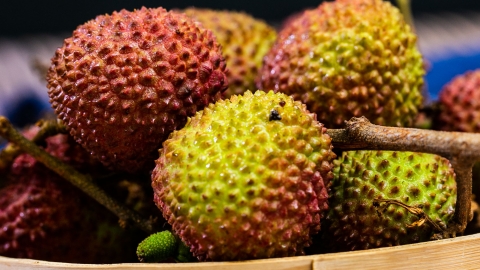
If blood glucose monitoring shows normal levels during late pregnancy and there are no signs of internal heat, a moderate intake of lychees may be acceptable. Lychees are rich in glucose, vitamins, and minerals. Consuming 5–8 lychees at a time can quickly replenish energy, alleviate physical fatigue during the later stages of pregnancy, and vitamins can promote fetal skin and nervous system development. When consumption is controlled within reasonable limits, it helps maintain balanced nutrition during pregnancy.
If gestational diabetes has already been diagnosed or blood sugar levels fluctuate greatly during late pregnancy, the high sugar content in lychees may cause a sharp increase in blood glucose, increasing the risks of macrosomia (large baby), preterm birth, and other complications. If the pregnant woman has a constitution prone to internal heat, eating lychees during late pregnancy may exacerbate this condition, leading to symptoms such as swollen gums, constipation, and potentially even affecting fetal well-being. Additionally, pregnant women with weak gastrointestinal function may experience indigestion after consuming lychees, and should therefore avoid eating them.
Pregnant women should maintain a positive and optimistic mindset, follow a balanced diet, engage in moderate exercise, undergo regular prenatal checkups, and adhere to professional medical advice to ensure the health of both mother and baby.





