


Can pregnant women with anemia eat lychee?
Jun 17, 2025
Source: Cainiu Health

Dr. Zhang Lu
Introduction
If a pregnant woman's blood glucose test results are within the normal range and she has iron-deficiency anemia, moderate consumption of lychee can help improve her condition. Lychee is rich in glucose, which can quickly replenish energy, and its vitamin C content can enhance iron absorption. Consuming 5–8 lychees per serving, along with iron-rich foods such as lean meat and animal liver, can better meet the nutritional needs during pregnancy and help alleviate symptoms of anemia.
Anemic pregnant women can consume lychees depending on their blood sugar levels and the type of anemia. If blood sugar is normal and the anemia is iron-deficient, moderate consumption may be acceptable. However, if blood sugar levels are high or the anemia has a special cause, eating lychees is not recommended. If in doubt, it is advised to consult a doctor in advance. Detailed explanation is as follows:
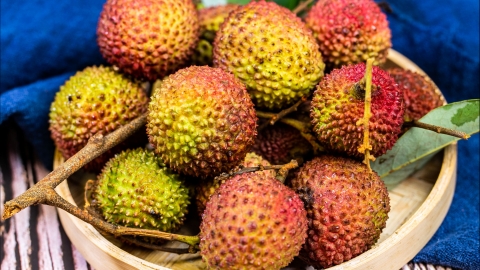
If a pregnant woman's blood sugar test results are within the normal range and she has iron-deficiency anemia, moderate lychee consumption may help improve her condition. Lychees are rich in glucose, which can quickly replenish energy, and their vitamin C content helps promote iron absorption. Eating 5-8 lychees per time, combined with iron-rich foods such as lean meat and animal liver, can better meet the nutritional needs during pregnancy and help alleviate symptoms of anemia.
If a pregnant woman has elevated blood sugar or has been diagnosed with gestational diabetes, the high sugar content in lychees may cause blood sugar fluctuations, which is not conducive to blood sugar control, and thus lychees should be avoided. Additionally, if the anemia is caused by specific conditions such as thalassemia, excessive lychee consumption will not improve the anemia and may instead place additional strain on the body due to excessive sugar intake. Pregnant women with poor gastrointestinal function or those prone to internal heat may experience indigestion, constipation, or other issues after consuming lychees, and thus should avoid them.
Anemic pregnant women should consider their own blood sugar and anemia conditions before consuming lychees, strictly control the amount consumed, monitor their body's response afterward, focus on balanced nutrition in daily diet, and consult a doctor for scientific iron supplementation advice when necessary.




