


Can pregnant women eat perilla?
Jun 20, 2025
Source: Cainiu Health

Dr. Zhang Lu
Introduction
Under normal circumstances, pregnant women can consume perilla, but it is not recommended to eat excessive amounts. Pregnant women should pay attention to moderate consumption, as perilla contains a certain amount of oxalic acid, which may interfere with calcium absorption if consumed in excess, and could also cause heatiness or digestive discomfort. Additionally, the cooking method is also important; fresh perilla should be selected, and overcooking should be avoided to prevent damage to its nutritional components.
Generally speaking, postpartum women can consume perilla, but it is not recommended to eat it in large quantities. The detailed explanation is as follows:
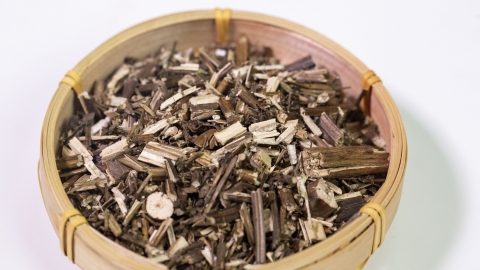
Perilla is rich in dietary fiber, carotene, vitamins, potassium, calcium, magnesium, and other essential nutrients. Consuming it in moderation is beneficial for postpartum women. During the postpartum confinement period, women typically engage in limited physical activity and experience slower gastrointestinal motility, which can lead to discomforts such as constipation and bloating. The dietary fiber in perilla can promote gastrointestinal motility, helping to prevent and relieve constipation. Additionally, its aromatic properties can aid digestion, relieve qi stagnation, and improve gastrointestinal discomfort. Moreover, perilla is warm in nature and pungent in taste, affecting the lung and spleen meridians. It has the effect of dispersing cold and relieving exterior symptoms, which can help alleviate the feeling of coldness in the body after childbirth. It also promotes blood circulation, stimulates mammary gland secretion, and supports postpartum recovery and lactation.
However, postpartum women should consume perilla in moderation, as it contains a certain amount of oxalic acid. Excessive consumption may interfere with calcium absorption and potentially cause heatiness or indigestion. At the same time, the cooking method is also important. Fresh perilla should be selected, and overcooking should be avoided to prevent damage to its nutrients. It can be used as a seasoning in dishes or for boiling water or making tea.




