What are the main manifestations of allergic symptoms?
Jun 24, 2025
Source: Cainiu Health

Dr. Liu Wenmin
Introduction
Under normal circumstances, the main manifestations of allergic symptoms include skin symptoms, respiratory symptoms, eye symptoms, gastrointestinal discomfort, palpitations, and others. If physical discomfort occurs, timely medical attention is recommended, along with treatment guided by a qualified physician. In daily life, maintaining good habits and enhancing immunity are advised to help reduce the occurrence of allergic symptoms.
Generally, the main manifestations of allergy symptoms include skin symptoms, respiratory symptoms, eye symptoms, gastrointestinal discomfort, and systemic symptoms. If physical discomfort occurs, it is recommended to seek timely medical attention and receive treatment under the guidance of a qualified physician. A detailed analysis is as follows:
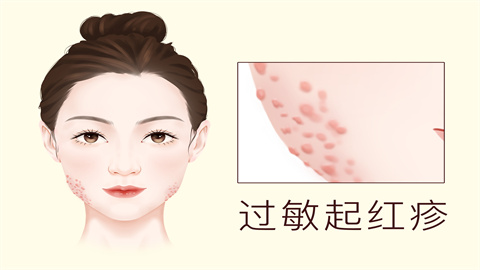
1. Skin symptoms: Skin allergies can cause itching, which after scratching may lead to redness, skin damage, scratches, and even blood scabs. Itching may become more severe at night and may affect sleep quality.
2. Respiratory symptoms: Respiratory allergies usually involve the nose, eyes, and airways. After inhaling allergens, such as pollen or dust mites, symptoms such as nasal congestion, runny nose, and sneezing may appear.
3. Eye symptoms: Contact with allergens such as pollen or animal fur may trigger allergic reactions in the eyes, causing a foreign body sensation and discomfort, often accompanied by frequent blinking or eye rubbing.
4. Gastrointestinal discomfort: When allergens enter the body through the digestive tract, they may irritate the mucous membranes of the digestive system, causing congestion, edema, and inflammation, which may lead to symptoms such as vomiting, abdominal pain, and diarrhea.
5. Systemic symptoms: When an allergic reaction is severe, large amounts of inflammatory mediators and cytokines are released, leading to systemic vasodilation, increased vascular permeability, and inflammatory responses, which can cause systemic symptoms. These may manifest as palpitations, sweating, pale complexion, decreased blood pressure, weak pulse, and even coma or death.
If allergies are severe, medications such as cetirizine hydrochloride tablets or loratadine tablets may be used according to medical advice. In daily life, it is recommended to maintain good living habits and enhance immunity, which can help reduce the occurrence of allergic symptoms.