


Can people with high uric acid levels eat asparagus?
Jun 27, 2025
Source: Cainiu Health

Dr. Yang Tiesheng
Introduction
Whether individuals with high uric acid levels can consume asparagus depends on their specific condition. For those with well-controlled uric acid levels and no complications, limited consumption of asparagus along with adequate water intake can provide nutritional benefits without significantly affecting uric acid levels. However, for individuals with persistently elevated uric acid levels and frequent gout attacks, consumption of asparagus is not recommended due to impaired purine metabolism, as it may worsen symptoms. Both groups should follow a low-purine diet and ensure adequate hydration.
Whether individuals with high uric acid levels can consume asparagus needs to be determined based on their uric acid levels and overall health condition. If uric acid is well controlled and there are no complications, moderate consumption of asparagus should be fine. However, if uric acid remains consistently high and gout attacks are frequent, consumption is not recommended. Detailed analysis is as follows:
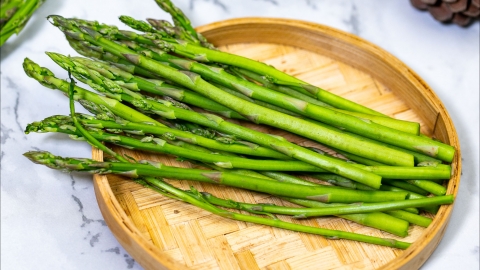
For individuals whose uric acid levels have remained consistently within a reasonable range and who have not experienced gout symptoms such as joint pain or swelling, consuming small amounts of asparagus will not significantly affect uric acid levels. Although asparagus is categorized as a moderate-purine food, as long as the intake is properly controlled and accompanied by sufficient water consumption, it can be included as part of a balanced diet. This allows one to benefit from asparagus' rich vitamins, dietary fiber, and other nutrients without significant concern about triggering uric acid fluctuations.
For individuals whose uric acid levels remain persistently elevated and who frequently experience acute gout attacks, the body's ability to regulate purine metabolism is relatively weak. The purines contained in asparagus are metabolized into uric acid after entering the body, increasing the metabolic burden and potentially triggering or worsening gout symptoms. To avoid exacerbation of joint pain and the formation of tophi (gout stones), these individuals should strictly limit their intake of asparagus.
Regardless of the specific situation, individuals with high uric acid levels should follow a low-purine diet and ensure adequate water intake to assist in the excretion of uric acid from the body.


