


Is hospitalization required for uterine polyp surgery?
Jul 03, 2025
Source: Cainiu Health

Dr. Zhang Lu
Introduction
If the uterine polyp is small in size, with a diameter less than 1 cm, located within the uterine cavity near the cervical os, and the patient is relatively young without underlying medical conditions, the surgery can be performed on an outpatient basis using hysteroscopic polypectomy. This procedure is relatively simple and quick. After the operation, patients are observed for 2–4 hours; discharge is permitted if there are no complications such as abnormal bleeding or abdominal pain. Subsequent medication and follow-up examinations should be conducted according to medical advice.
Whether hospitalization is required for uterine polyp surgery depends on the size, location of the polyp, and the patient's overall health condition. If the polyp is small, superficially located, and the patient is in good health, hospitalization may not be necessary. However, if the polyp is large, located in a special position, or the patient has poor health, hospitalization is required. If in doubt, it is recommended to seek medical advice in advance. Detailed analysis is as follows:
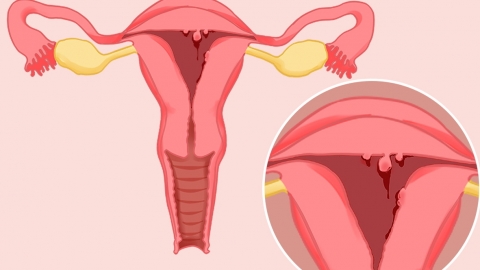
If the uterine polyp is small, with a diameter less than 1 cm, and located near the cervix within the uterine cavity, and if the patient is relatively young and has no underlying medical conditions, the surgery can be performed on an outpatient basis using hysteroscopic polypectomy. This procedure is relatively simple and quick. After surgery, the patient can be discharged 2–4 hours later if there is no abnormal bleeding or abdominal pain. Follow-up medication and review appointments should be conducted as directed by the physician.
When the uterine polyp is large, with a diameter exceeding 2 cm, or located near the uterine cornua or deeply embedded into the myometrium, the surgical difficulty and risk increase. Particularly for patients with underlying conditions such as hypertension or heart disease, or for postmenopausal women, hospitalization is required to ensure safety during surgery and recovery afterward. During hospitalization, after completing preoperative evaluations, the polyp can be removed via procedures such as hysteroscopic electroresection. Postoperative care can include close monitoring and anti-infective treatment to reduce the risk of complications such as bleeding and infection.
Prior to undergoing uterine polyp surgery, patients should cooperate with their doctors to complete comprehensive preoperative evaluations. Regardless of whether hospitalization is required, postoperative care should include maintaining external genital hygiene, avoiding sexual intercourse and tub bathing for one month, and attending follow-up appointments as scheduled.








