


What is the normal thickness of the endometrium?
Jul 10, 2025
Source: Cainiu Health

Dr. Zhang Lu
Introduction
Under normal circumstances, the thickness of the endometrium varies with the menstrual cycle, typically ranging from 1 to 12 mm. The thickness of the endometrium is closely related to overall health. If it is thickened, it may indicate conditions such as polycystic ovary syndrome, endometrial cancer, or endometrial polyps; conversely, if it is thin, it may suggest endometrial damage, endocrine disorders, malnutrition, and other conditions.
Under normal circumstances, the thickness of the endometrium varies dynamically throughout the menstrual cycle, typically ranging from 1 to 12 mm. A detailed explanation is as follows:
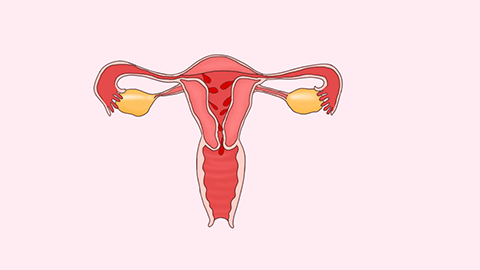
The thickness of the normal endometrium changes dynamically with the menstrual cycle, generally ranging between 1 and 12 mm. Just after menstruation ends, the endometrium is at its thinnest due to shedding, measuring approximately 1 to 4 mm. As the proliferative phase begins, the endometrium gradually thickens under the influence of estrogen and can reach 8 to 10 mm by the time of ovulation, creating conditions suitable for implantation of a fertilized egg. During the secretory phase, the endometrium continues to thicken under the influence of progesterone and may reach 10 to 12 mm near the onset of menstruation, after which it sheds as hormone levels decline, beginning a new cycle. This cyclical change—from thin to thick and then shedding—is a normal physiological manifestation of the endometrium adapting to reproductive functions, and the range of 1 to 12 mm encompasses normal thicknesses at different stages.
The thickness of the endometrium is closely related to overall health. If the endometrium becomes excessively thickened, it may indicate conditions such as polycystic ovary syndrome, endometrial cancer, or endometrial polyps. Conversely, if the endometrium becomes too thin, it may indicate endometrial damage, endocrine disorders, malnutrition, or similar issues. Therefore, regular check-ups and close monitoring of these changes are necessary.







