What causes uneven thickness and rippling in toenails?
Nov 28, 2025
Source: Cainiu Health

Dr. Li Feng
Introduction
In general, uneven thickness or rippling of toenails may be caused by aging, physical irritation, nail dystrophy, onychomycosis (fungal nail infection), or nail damage due to psoriasis. If discomfort occurs, it is recommended to seek timely medical evaluation and treatment at a reputable hospital. In daily life, choose comfortable shoes and socks, maintain a balanced diet to ensure adequate nutrition, and practice good foot hygiene to prevent fungal growth.
Under normal circumstances, uneven thickness and rippling of toenails may be caused by factors such as aging, physical irritation, nail dystrophy, onychomycosis (fungal nail infection), or nail damage due to psoriasis. If discomfort occurs, it is recommended to seek timely medical evaluation and treatment at a正规 hospital. Specific causes are analyzed as follows:
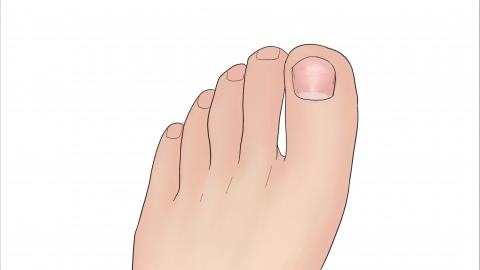
1. Aging
As people age, metabolism in nail plate cells slows down, leading to uneven keratin accumulation. This results in imbalanced nail thickness and the formation of ripples. Wearing loose-fitting shoes and socks can reduce pressure. Soaking feet in warm water daily and gently trimming nails afterward is recommended, while avoiding excessive filing.
2. Physical Irritation
Wearing tight shoes or engaging in frequent physical activity can cause repeated pressure and friction on the toenails, leading to abnormal nail growth and deformation. Switching to breathable, spacious footwear, using toenail protection pads during exercise, and avoiding prolonged walking or standing may help prevent further damage.
3. Nail Dystrophy (Nutritional Deficiency)
Deficiencies in nutrients such as vitamin A and calcium can impair nail synthesis, resulting in structural abnormalities of the toenails. Under medical guidance, supplements like vitamin A soft capsules, calcium carbonate D3 tablets, or calcium gluconate tablets may be taken. Additionally, increasing dietary intake of egg yolks, milk, and carrots is beneficial.
4. Onychomycosis (Fungal Nail Infection)
Fungal infections destroy the nail's keratin layer, causing thickening, discoloration, and rippling of the toenails. Treatment under a doctor’s supervision may include topical terbinafine hydrochloride cream, oral itraconazole capsules, or fluconazole tablets. Keeping the feet dry and clean is essential to prevent fungal spread.
5. Nail Damage Due to Psoriasis
When psoriasis affects the nail matrix, it disrupts normal nail growth, leading to an uneven, irregular nail surface and inconsistent thickness. As directed by a physician, topical treatments such as calcipotriol ointment or tacrolimus ointment may be used, along with oral acitretin capsules. In severe cases, nail bed reconstruction surgery may be considered.
In daily life, it is important to wear comfortable shoes and socks; maintain a balanced diet to ensure adequate nutrition; practice good foot hygiene to prevent fungal growth; and regularly monitor toenail appearance, seeking prompt intervention if any abnormalities are detected.