


Can small liver cancer be cured?
Jul 11, 2025
Source: Cainiu Health

Dr. Gao Jun
Introduction
In general, if a patient with small hepatocellular carcinoma (HCC) is in the early stage of the disease and exhibits clear symptoms, the condition is usually curable. However, if the disease has progressed to an advanced stage with metastasis, it is typically considered incurable. If any discomfort or symptoms arise, it is recommended to seek timely medical attention and treatment at a qualified and正规 hospital. Regardless of the stage of the disease, patients should always follow the guidance of professional physicians.
Generally, if a patient with small liver cancer is diagnosed at an early stage and presents with clear symptoms, the condition is usually curable; however, if the disease has progressed to an advanced stage with metastasis, it is typically incurable. If discomfort symptoms occur, it is recommended to seek timely medical treatment at a regular hospital. Detailed analysis is as follows:
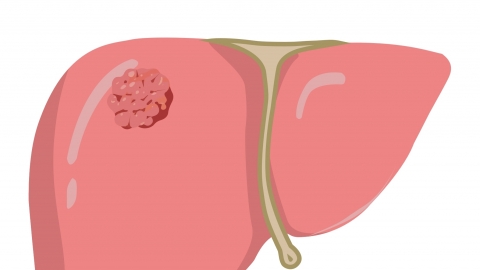
When a patient with small liver cancer is at an early stage and presents clear symptoms, the condition is usually curable. At this stage, the tumor is relatively small and has not yet metastasized or spread to distant areas, remaining relatively localized. If detected promptly and appropriate treatment measures are taken, such as surgical resection, radiofrequency ablation, or liver transplantation, the lesion can often be effectively removed and the progression of the disease controlled.
If the patient's condition has progressed to an advanced stage with evidence of metastasis, small liver cancer is generally difficult to cure. At this stage, the tumor may have grown significantly and could have spread via the bloodstream or lymphatic system to other organs, such as the lungs, bones, or lymph nodes, forming metastatic lesions. With a larger tumor burden, the difficulty of treatment increases, and single treatment modalities often cannot completely eliminate all lesions. Although comprehensive treatment approaches such as chemotherapy, targeted therapy, and immunotherapy can be used to slow disease progression, alleviate symptoms, and prolong survival, achieving a complete cure is difficult, and the patient's prognosis is relatively poor.
Regardless of the stage of disease, patients should follow the guidance of professional physicians and actively cooperate with treatment. It is important not to blindly trust unverified remedies or discontinue treatment arbitrarily, as this may delay proper care. Additionally, during treatment and the recovery phase, it is essential to develop healthy lifestyle habits, including quitting smoking, abstaining from alcohol, avoiding excessive fatigue, maintaining a regular sleep schedule, and eating a balanced diet to enhance the body's immune defenses.




