


What are the symptoms of uterine adhesions?
Jul 15, 2025
Source: Cainiu Health

Dr. Zhang Lu
Introduction
Uterine adhesion is a gynecological condition that typically occurs after damage to the endometrium, leading to partial or complete adhesion within the uterine cavity. Its main symptoms include menstrual irregularities, abdominal pain, infertility, miscarriage, and pelvic discomfort. Patients are advised to maintain healthy lifestyle habits in daily life, avoid excessive fatigue and mental stress, and undergo regular gynecological examinations.
Uterine adhesion is a gynecological condition that typically occurs after damage to the endometrium, leading to partial or complete adhesion within the uterine cavity. Its symptoms mainly include menstrual abnormalities, abdominal pain, infertility, miscarriage, pelvic discomfort, and others. A detailed analysis is as follows:
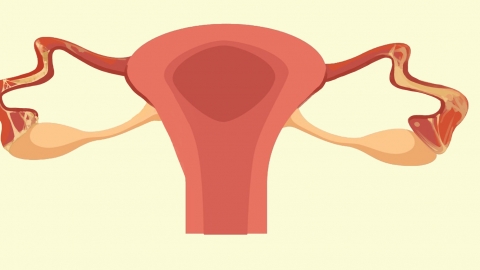
1. Menstrual abnormalities: Uterine adhesions may lead to reduced menstrual flow or even amenorrhea. This occurs because damage to the endometrium results in partial or complete adhesion of the uterine cavity, reducing the surface area of the endometrium and subsequently decreasing menstrual flow.
2. Abdominal pain: Patients may experience lower abdominal pain or discomfort, especially during menstruation. This pain is caused by increased intrauterine pressure due to adhesions, which stimulates uterine smooth muscle contractions. The severity varies among individuals and may manifest as dull pain or intermittent cramping.
3. Infertility: Uterine adhesion is an important cause of infertility. Adhesions may obstruct the union of sperm and egg or interfere with embryo implantation. Additionally, adhesions can alter the normal shape of the uterine cavity, affecting embryonic development.
4. Miscarriage: For women who have become pregnant, uterine adhesions may lead to miscarriage or recurrent miscarriage. This is because adhesions impair normal endometrial function, failing to provide a suitable environment for embryo implantation, resulting in poor embryonic development or developmental arrest.
5. Pelvic discomfort: Some patients may feel a sensation of pressure or heaviness in the pelvic area, particularly after sexual intercourse or prolonged standing. This occurs because adhesions increase intrauterine pressure, exerting pressure on surrounding tissues.
Patients are advised to maintain healthy lifestyle habits in daily life, avoiding excessive fatigue and mental stress. Regular gynecological examinations are also recommended to detect and manage uterine adhesions promptly. For patients already experiencing symptoms, it is important to follow medical advice for appropriate treatment, such as hysteroscopic surgery to separate the adhesions or medication therapy, while also focusing on rest and dietary regulation to promote recovery.


