


What is the difference between uterine polyps and uterine fibroids?
Jul 15, 2025
Source: Cainiu Health

Dr. Zhang Lu
Introduction
In general, the main differences between endometrial polyps and uterine fibroids lie in their nature, location, size, symptoms, and treatment methods. If you experience any discomfort, it is recommended to seek timely medical attention at a qualified hospital. Maintaining healthy lifestyle habits, balanced nutrition, avoiding excessive fatigue and mental stress, and undergoing regular gynecological examinations in daily life can help with early detection and management of issues.
Generally, the main differences between uterine polyps and uterine fibroids involve their nature, location, size, symptoms, and treatment methods. If discomfort occurs, it is recommended to seek timely consultation and treatment at a reputable hospital. Detailed analysis is as follows:
1. Nature
Uterine polyps are benign overgrowths formed by localized hyperplasia of the endometrium, with a low risk of malignancy. Uterine fibroids are benign tumors composed of uterine smooth muscle and connective tissue, with an extremely low probability of malignant transformation, rarely developing into sarcomas.
2. Location
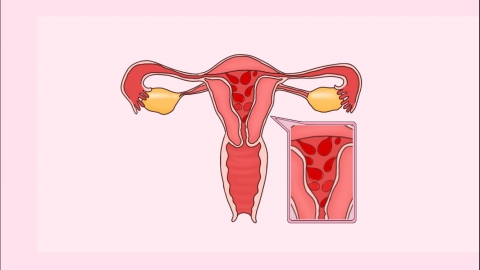
Uterine polyps mainly grow on the surface of the endometrium, can exist singly or in multiples, and a few may protrude outside the cervix. Uterine fibroids can develop in various parts of the uterus and are categorized by location into intramural fibroids, subserosal fibroids, and submucosal fibroids.
3. Size
Uterine polyps are usually small, with diameters mostly under 1 cm, although some may reach several centimeters. Uterine fibroids vary greatly in size, ranging from a few millimeters to as large as a full-term pregnant uterus, or even larger.
4. Symptoms
Common symptoms of uterine polyps include intermenstrual bleeding, menorrhagia, prolonged menstruation, or irregular bleeding. Some patients may experience abnormal vaginal discharge, and if the polyp protrudes from the cervix, contact bleeding may occur. Symptoms of uterine fibroids depend on their size and location and commonly include increased menstrual flow, prolonged menstrual periods, abdominal masses, increased vaginal discharge, lower abdominal heaviness, backache, and other discomforts. If fibroids compress the bladder or rectum, symptoms such as frequent urination, urgency, difficulty in urination, and constipation may also occur.
5. Treatment Methods
Small, asymptomatic uterine polyps can be observed temporarily with regular follow-up examinations. For symptomatic or larger polyps, hysteroscopic polypectomy is commonly performed, followed by pathological examination to confirm the nature of the polyp. Small fibroids without symptoms usually require no treatment, only regular follow-up. Patients with mild symptoms, those nearing menopause, or those whose general health conditions are unsuitable for surgery may be treated with medication. When fibroids are large, symptoms are significant, or drug treatment is ineffective, surgical treatment is required. Surgical options include myomectomy and hysterectomy, with the specific approach determined by factors such as the patient's age and fertility requirements.
Maintaining good lifestyle habits, balanced nutrition, avoiding excessive fatigue and mental stress, and undergoing regular gynecological examinations help in the early detection and management of problems.


