


What can I eat to lower high blood sugar?
Jul 16, 2025
Source: Cainiu Health

Dr. Liu Feng
Introduction
People with high blood sugar can generally consume foods such as oats, bitter melon, onion, black fungus, and pomelo, as well as medications including metformin hydrochloride tablets, glimepiride tablets, insulin injection, acarbose tablets, and repaglinide tablets. Oats are low-glycemic-index foods that are rich in dietary fiber, helping to delay glucose absorption, prevent rapid post-meal blood sugar spikes, and increase satiety.
People with high blood sugar can generally consume foods such as oats, bitter melon, onion, black fungus, and pomelo, and take medications such as Metformin Hydrochloride Tablets, Glimepiride Tablets, Insulin Injection, Acarbose Tablets, and Repaglinide Tablets. The details are as follows:
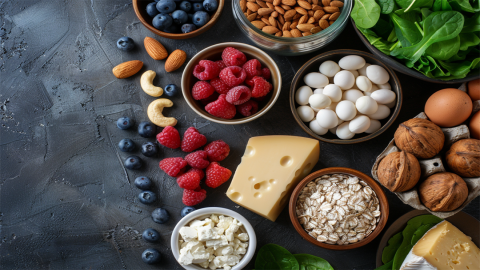
I. Foods
1. Oats: They are low glycemic index foods rich in dietary fiber, which can delay glucose absorption, prevent rapid postprandial blood sugar elevation, and increase satiety. Oats are suitable as a substitute for part of refined rice and flour, and can be cooked into oatmeal or consumed with milk.
2. Bitter melon: Contains charantin and other components that can assist in regulating blood sugar. Its dietary fiber also delays sugar absorption. It is suitable for stir-frying or cold mixing, and can be consumed as a daily vegetable with other ingredients.
3. Onion: Contains prostaglandin A and quercetin, which can promote insulin secretion, help regulate blood sugar levels, and have a certain vasodilatory effect. It is suitable for cold mixing or stir-frying with meat.
4. Black fungus: Rich in polysaccharides and dietary fiber, it delays postprandial blood sugar rise and is nutritionally rich. It is suitable for cold mixing, stir-frying, or stewing in soup, making it an ideal ingredient for people with high blood sugar.
5. Pomelo: Has a low glycemic index, is rich in vitamins and pectin, promotes intestinal motility, delays sugar absorption, and can assist in regulating blood sugar when consumed in moderation. It is recommended to consume it between meals.
II. Medications
1. Metformin Hydrochloride Tablets: Reduce hepatic glucose production, inhibit intestinal glucose absorption, and increase glucose uptake and utilization by peripheral tissues to lower blood sugar levels. It is suitable for type 2 diabetes, especially for obese patients.
2. Glimepiride Tablets: A sulfonylurea antidiabetic drug that stimulates insulin secretion from pancreatic β cells, increases insulin levels in the body, and lowers blood sugar. It is suitable for patients with type 2 diabetes not adequately controlled by diet, exercise, and weight reduction.
3. Insulin Injection: Directly supplements insulin in the body, promotes glucose uptake and utilization, and lowers blood sugar. It is suitable for type 1 diabetes, type 2 diabetes not effectively controlled by oral hypoglycemic agents, and acute diabetic complications.
4. Acarbose Tablets: Delays carbohydrate digestion and absorption by inhibiting α-glucosidase in the brush border of the small intestinal mucosa, thereby lowering postprandial blood sugar. It is suitable for type 2 diabetic patients whose main dietary component is carbohydrates.
5. Repaglinide Tablets: A non-sulfonylurea insulin secretagogue that stimulates rapid insulin release from pancreatic β cells to lower postprandial blood sugar. It is suitable for type 2 diabetes not effectively controlled by dietary management, weight reduction, and physical activity.
Individuals with high blood sugar should combine dietary control with medication. Food choices should mainly be low glycemic index items, with total calorie intake controlled. Medication use must strictly follow medical advice, with regular blood sugar monitoring and treatment plans adjusted accordingly. Self-adjusting dosage or discontinuation should be avoided.








