What are the causes of intracranial hemorrhage due to tumors?
Jul 19, 2025
Source: Cainiu Health

Dr. Tian Hongbo
Introduction
Under normal circumstances, intracranial hemorrhage caused by tumors may be triggered by factors such as aging, strenuous activity, abnormal blood vessels within the tumor itself, hypertension, or coagulation disorders. If discomfort symptoms occur, it is recommended to seek timely medical consultation and treatment at a qualified hospital. In daily life, it is important to maintain a regular作息 (作息 should be translated as "routine" or "daily routine"), avoid excessive fatigue, and consume a light, easily digestible diet.
Generally, intracranial tumor-related hemorrhage may be caused by factors such as aging, strenuous activity, abnormal vasculature within the tumor itself, hypertension, or coagulation disorders. If experiencing any discomfort or symptoms, it is recommended to seek timely diagnosis and treatment at a qualified hospital. Detailed explanations are as follows:
1. Aging
With increasing age, the elasticity of blood vessel walls gradually weakens and vascular fragility increases. In the presence of an intracranial tumor, blood vessels are more prone to rupture and bleeding. Daily precautions should include avoiding strenuous exercise and head injuries, as well as maintaining stable blood pressure. Consuming foods rich in vitamin C and vitamin E, such as oranges and nuts, may help protect blood vessels.
2. Strenuous Activity
Sudden vigorous exercise or heavy physical labor can cause a rapid increase in intracranial pressure, which may lead to rupture of blood vessels surrounding the tumor and subsequent bleeding. It is advisable to engage in mild forms of exercise, such as walking or yoga, and avoid sudden exertion or intense physical activity. If symptoms such as dizziness or headache occur during exercise, activity should be stopped immediately and rest taken.
3. Tumor-Associated Vascular Abnormalities
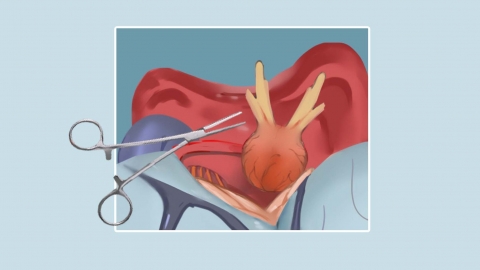
During the growth of intracranial tumors, abnormal new blood vessels form. These vessels are structurally incomplete, thin-walled, and fragile, making them prone to rupture and bleeding. Regular imaging examinations, such as cranial CT scans or MRI, should be performed to monitor the tumor and its vasculature. If there is a risk of bleeding from the tumor, timely interventions such as surgery should be considered following medical evaluation.
4. Hypertension
Long-term hypertension places increased pressure on blood vessel walls. Given the compromised vascular stability caused by intracranial tumors, this may further predispose to vessel rupture and bleeding. Antihypertensive medications, such as enalapril maleate tablets, irbesartan tablets, or levamlodipine besylate tablets, should be used under medical guidance. Blood pressure should be regularly monitored, and a low-salt diet maintained to prevent significant fluctuations in blood pressure.
5. Coagulation Disorders
Coagulation disorders can lead to reduced blood clotting ability, so even minor damage to blood vessels surrounding an intracranial tumor may result in bleeding that is difficult to stop. Under medical supervision, medications that improve coagulation function, such as tranexamic acid tablets, vitamin K1 injection, or thrombin lyophilized powder, may be used. Regular monitoring of coagulation parameters is also recommended to identify the underlying cause and allow targeted treatment of the primary condition.
In daily life, it is important to maintain a regular作息 pattern and avoid excessive fatigue. Diet should be light and easily digestible, avoiding overly hard or hot foods to reduce physical irritation.