


How long after becoming pregnant should one avoid eating lychee?
Jul 24, 2025
Source: Cainiu Health

Dr. Zhang Lu
Introduction
Under normal circumstances, there is no specific time during pregnancy after which lychees should not be consumed. Pregnant women can eat lychees at any time during pregnancy, but excessive consumption is not recommended. Although lychees can be consumed at any stage of pregnancy, overeating is discouraged. This is because lychees have a high sugar content, and excessive intake may elevate blood glucose levels in pregnant women, increasing the risk of gestational diabetes.
Generally speaking, there is no specific time during pregnancy after which lychees should not be consumed. Pregnant women can eat lychees at any stage of pregnancy, although excessive consumption is not recommended. Detailed explanations are as follows:
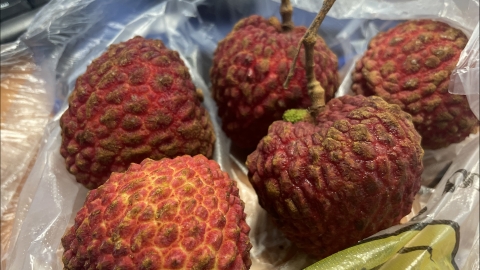
In early pregnancy, many women experience nausea and vomiting associated with pregnancy and have a poor appetite. The sweet and refreshing taste of lychees can help alleviate discomfort caused by morning sickness and stimulate appetite, allowing the pregnant woman to intake some nutrients. During mid-pregnancy, the developing fetus requires various nutrients, and the vitamin C and glucose contained in lychees can provide energy and nutrition to support fetal development. In late pregnancy, women often feel fatigued easily; the glucose in lychees can quickly replenish physical energy, while vitamin C helps boost immunity. Therefore, there is no scientific basis for the claim that lychees should not be eaten after a certain point in pregnancy.
However, although lychees can be consumed at any time during pregnancy, excessive consumption is not advisable. This is because lychees have a high sugar content, and overeating may elevate the mother's blood sugar levels, increasing the risk of gestational diabetes. Additionally, fresh lychees should be selected, thoroughly washed before consumption, and chilled lychees should be avoided to prevent gastrointestinal irritation and discomfort.


