


Can liver function tests detect alcoholic liver disease?
Aug 01, 2025
Source: Cainiu Health

Dr. Gao Jun
Introduction
In general, liver function tests are of significant reference value in diagnosing alcoholic liver disease. However, a definitive diagnosis cannot rely solely on liver function tests. If there is a history of long-term and heavy alcohol consumption accompanied by abnormal liver function test results, prompt medical consultation is advised. The patient should provide the physician with detailed information regarding alcohol consumption and cooperate with necessary imaging examinations to facilitate an accurate diagnosis at an early stage.
Generally, liver function tests are of significant reference value in diagnosing alcoholic liver disease; however, a definitive diagnosis cannot be made based on liver function tests alone. Detailed analysis is as follows:
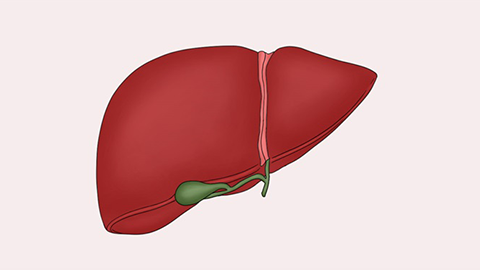
In patients with alcoholic liver disease, liver function tests often show elevated levels of alanine aminotransferase (ALT) and aspartate aminotransferase (AST), with AST elevation typically being more pronounced. There may also be an increase in gamma-glutamyl transferase (GGT). These abnormal indicators can, to some extent, suggest possible liver damage due to long-term alcohol consumption and provide important clues for diagnosing alcoholic liver disease. However, these abnormalities are not unique to alcoholic liver disease; other liver conditions such as viral hepatitis and drug-induced liver injury may also present with similar liver function changes. Therefore, liver function tests alone cannot differentiate between these diseases. A definitive diagnosis of alcoholic liver disease requires a comprehensive evaluation incorporating the patient's history of alcohol consumption, clinical symptoms, and results from imaging studies such as liver ultrasound or CT scans.
If there is a history of long-term heavy alcohol consumption and abnormal liver function test results, prompt medical attention is necessary. It is important to inform the physician in detail about alcohol consumption and cooperate with the required imaging and other related examinations to achieve an early and accurate diagnosis. Additionally, to protect liver health, alcohol intake should be strictly controlled, and ideally, alcohol consumption should be avoided completely to cultivate a healthy lifestyle.


