


Can I drink hibiscus tea if I have excessive dampness?
Aug 08, 2025
Source: Cainiu Health

Dr. Sun Lianqing
Introduction
In general, whether individuals with excessive dampness can drink Roselle tea depends on the type of dampness. Those with damp-heat constitution may consume it in moderation, while those with cold-damp constitution are advised against it. In daily life, individuals with excessive dampness should choose suitable beverages according to their own body constitution. Those with damp-heat constitution can combine it with heat-clearing and dampness-resolving foods such as mung beans and winter melon, while those with cold-damp constitution may benefit from warming foods such as ginger and lamb.
Generally speaking, whether people with excessive dampness can drink Roselle tea depends on the type of dampness. Those with damp-heat constitution may consume it in moderation, while those with cold-damp constitution are not advised to do so. The detailed explanation is as follows:
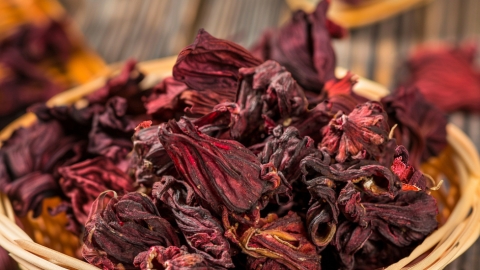
Roselle has a cool nature and sour taste, and possesses functions of clearing heat, reducing internal fire, and promoting digestion. For individuals with damp-heat constitution, who typically exhibit symptoms such as bitter taste in the mouth, yellow and greasy tongue coating, and sticky stools, moderate consumption of Roselle tea can help alleviate internal heatiness and promote the elimination of damp-heat from the body, without generally worsening discomfort. However, excessive intake might cool the gastrointestinal tract due to its cold nature, possibly causing symptoms such as abdominal pain and diarrhea.
Individuals with a cold-damp constitution often display symptoms such as sensitivity to cold, cold limbs, and loose stools. Drinking Roselle tea could potentially exacerbate internal coldness, intensifying symptoms of cold-dampness and hindering the removal of dampness from the body. Additionally, Roselle is quite acidic; drinking it on an empty stomach may stimulate gastric acid secretion and cause stomach discomfort. Therefore, drinking it on an empty stomach should be avoided.
In daily life, individuals suffering from excessive dampness should choose suitable beverages according to their body constitution. Those with damp-heat constitution can combine Roselle with heat-clearing and dampness-resolving foods such as mung beans and winter melon, while those with cold-damp constitution can consume more warming foods such as ginger and lamb. At the same time, engaging in appropriate physical exercise can help regulate dampness levels in the body.


