


Can dampness lead to acne?
Aug 11, 2025
Source: Cainiu Health

Dr. Sun Lianqing
Introduction
In general, whether dampness in the body leads to acne depends on an individual's constitution and the specific manifestations of dampness. It is important to maintain skin cleanliness and avoid accumulation of oils in daily life. In terms of diet, it is advisable to reduce consumption of spicy, greasy, and sweet foods, and appropriately increase intake of dampness-resolving foods such as coix seed, red adzuki beans, and winter melon.
Generally speaking, whether excessive dampness causes acne depends on individual body constitution and specific manifestations of dampness. Detailed analysis is as follows:
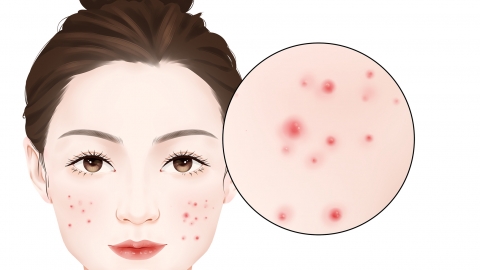
If the body constitution tends toward heat, prolonged dampness may transform into heat, causing damp-heat accumulation in the skin and potentially leading to acne. These acne lesions typically appear red, swollen, and painful, sometimes accompanied by pus-filled blisters, commonly located on the face, chest, and back. Additional symptoms may include bitter taste in the mouth, bad breath, sticky and unsatisfactory bowel movements, and a yellow, greasy tongue coating. These manifestations result from damp-heat steaming the skin, impaired circulation of qi and blood, and accumulation of heat-toxin.
If the body constitution leans toward cold, the dampness primarily manifests as cold-dampness, which rarely directly causes acne. Cold-dampness stagnating in the body usually presents as physical heaviness, cold limbs, abdominal distension, loose stools, and a white, greasy tongue coating. In such cases, the skin often appears oily and dull, but acne is relatively uncommon. When acne does occur, it typically presents as pale-colored, non-tender, non-red bumps without significant swelling or pain.
Daily care should emphasize keeping the skin clean and avoiding excessive oil buildup. Diet-wise, consumption of spicy, greasy, and sweet foods should be reduced, while incorporating more dampness-resolving foods such as coix seed, red adzuki beans, and winter melon may be beneficial. Adequate sleep, avoiding late nights, and moderate exercise to promote dampness elimination are also recommended. If acne is severe or persists, timely consultation with a healthcare professional for proper management is advised.



