


Can hemorrhoids be relieved through lifestyle habits?
Aug 15, 2025
Source: Cainiu Health
Dr. Li Jingxiang
Introduction
In general, the relief of hemorrhoids is closely related to lifestyle habits. Whether hemorrhoids can be alleviated by changing lifestyle habits mainly depends on the type and severity of the hemorrhoids. If discomfort symptoms occur, it is recommended to seek timely diagnosis and treatment at a qualified hospital. When changing lifestyle habits, note that dietary fiber intake should be increased gradually to avoid sudden large intake that may cause abdominal distension.
Generally, the relief of hemorrhoids is closely related to lifestyle habits. Whether symptoms can be alleviated by changing lifestyle habits mainly depends on the type and severity of the hemorrhoids. If discomfort occurs, it is recommended to seek timely diagnosis and treatment at a regular hospital. Detailed analysis is as follows:
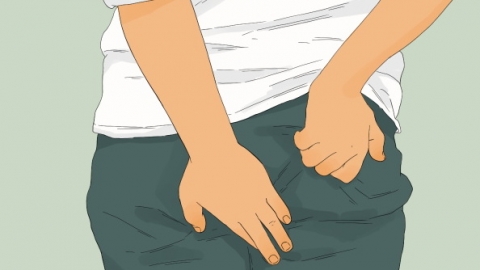
If the hemorrhoids are mild internal or external hemorrhoids, characterized only by occasional slight bleeding during bowel movements, mild anal itching, or a foreign body sensation without significant prolapse or severe pain, changing lifestyle habits can effectively relieve symptoms. These conditions are often caused by prolonged sitting, consumption of spicy foods, or irregular bowel habits. Increasing dietary fiber intake and maintaining a daily water intake of 1500–2000 milliliters can soften stools and reduce irritation to the hemorrhoidal tissue during defecation. Adhering to these habits for 2–4 weeks typically results in gradual symptom relief.
If the hemorrhoids are severe internal hemorrhoids, thrombosed external hemorrhoids, or mixed hemorrhoids, accompanied by persistent severe pain, significant rectal bleeding, or prolapsed hemorrhoids, symptom relief through lifestyle changes alone is unlikely. In these cases, the hemorrhoidal tissue has developed significant congestion, edema, or even thrombosis. Lifestyle modifications can only serve as adjunctive measures and cannot eliminate existing blood clots or resolve prolapse. Effective symptom control requires combined medical treatment or surgical intervention to prevent further progression of the condition.
When changing lifestyle habits, it is important to gradually increase dietary fiber intake to avoid sudden large increases that may cause bloating. Avoid prolonged squatting during bowel movements to prevent increased abdominal pressure that may worsen symptoms. Sitting in warm water for 1–2 sessions daily, each lasting 10–15 minutes, can help relieve anal discomfort.




