


Is there a relationship between polycystic ovary and cold body constitution?
Sep 01, 2025
Source: Cainiu Health

Dr. Sun Lianqing
Introduction
Polycystic ovary usually refers to polycystic ovary syndrome (PCOS). Generally, whether PCOS is related to cold body constitution needs to be determined based on individual circumstances. When assessing the relationship between the two, it is important to consider the overall bodily symptoms comprehensively, avoiding attribution to a single cause. Regardless of any potential association, maintaining a regular sleep-wake schedule, avoiding late nights, and preventing excessive fatigue are recommended.
Polycystic ovary usually refers to polycystic ovary syndrome (PCOS). Generally speaking, whether PCOS is related to cold body constitution needs to be determined based on specific circumstances. Detailed analysis is as follows:
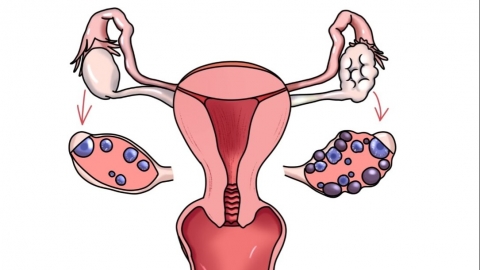
If a patient with PCOS also experiences significant symptoms of cold body constitution, such as cold hands and feet, cold intolerance, menstrual pain relieved by warmth, and dark menstrual blood, there may be some association between the two. Cold body constitution may affect blood circulation and lead to endocrine disorders, thereby worsening PCOS-related symptoms such as irregular menstrual cycles and ovulation dysfunction. In this case, both cold body constitution regulation and PCOS treatment should be addressed simultaneously.
If a patient with PCOS does not show obvious symptoms of cold body constitution, such as cold intolerance or cold hands and feet, and symptoms such as menstrual irregularities and hyperandrogenism are mainly caused by factors like genetics, metabolic abnormalities, or psychological stress, the two may not be directly related. In this case, interventions should target the specific causes of PCOS without excessive focus on treating cold body constitution.
When determining the relationship between PCOS and cold body constitution, overall physical symptoms should be considered comprehensively to avoid attributing symptoms to a single cause. Regardless of whether they are related, maintaining a regular lifestyle, avoiding staying up late and overexertion, maintaining balanced nutrition while reducing intake of high-sugar and high-fat foods, is important. If symptoms persist or worsen, timely consultation with a healthcare professional is recommended to identify the underlying cause and develop a targeted treatment plan.



