


Are filiform warts highly contagious?
Sep 04, 2025
Source: Cainiu Health

Dr. Liu Wenmin
Introduction
Filiform warts have moderate contagiousness, not extremely high, but they do have a definite ability to spread. If proper precautions are not taken, they can still be transmitted to others or spread to other parts of the body. In daily life, it is important to maintain personal hygiene and avoid sharing personal items with others. Patients should store and use their personal items separately, avoid scratching the warts, and regularly clean and disinfect objects that have been in contact with the affected areas to reduce the chance of virus transmission.
Generally, filiform warts have moderate contagiousness and are not highly infectious. However, they do possess definite transmission capability. Without proper protection, they may still spread to others or cause self-dissemination. A detailed analysis is as follows:
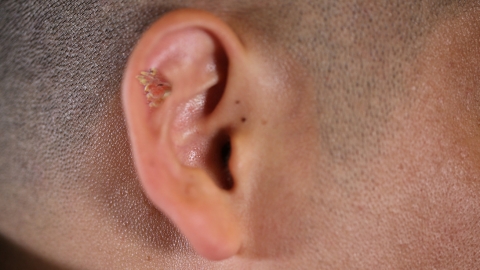
Filiform warts are caused by infection with the human papillomavirus (HPV), which mainly exists on the surface of the wart and surrounding skin. Transmission requires direct contact; thus, the infection is not considered highly contagious. However, if a healthy person's skin has cuts or cracks, direct contact with the wart of an infected individual, or using personal items contaminated with the virus—such as towels, clothing, or razors—could allow the virus to enter through the broken skin and lead to infection. Additionally, if patients frequently scratch the warts, the virus may attach to their hands and spread to other parts of the body, forming new warts.
In daily life, it is important to maintain personal hygiene and avoid sharing personal items with others. Patients should store and use their personal items separately, avoid scratching the warts, regularly clean and disinfect items they have touched, reduce opportunities for viral transmission, keep the skin intact, enhance immunity, and lower the risk of infection.


