


Does wrapping a wound with gauze hinder scab formation?
Nov 03, 2025
Source: Cainiu Health

Dr. Wang Lei
Introduction
In general, whether covering a wound with gauze hinders scab formation depends on the specific condition of the wound and the method of dressing. The wound should be cleaned before applying gauze, and the appropriate thickness of gauze should be selected based on the amount of exudate, avoiding excessive thickness or tightness. When there is substantial exudate, the dressing should be changed more frequently to keep the gauze dry; as exudate decreases, the frequency of changes may be appropriately reduced.
Generally speaking, whether covering a wound with gauze hinders scab formation depends on the specific condition of the wound and the method used to apply the gauze. The detailed analysis is as follows:
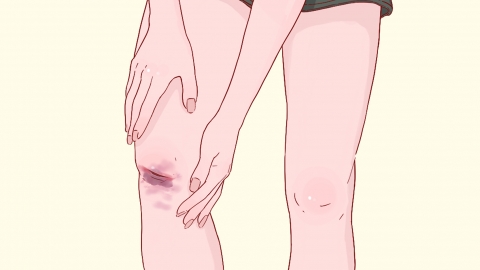
If the wound is shallow with no obvious exudate, and the gauze is applied with appropriate tightness and changed regularly to maintain dryness, it usually does not interfere with scab formation. Such wounds need protection from external dust and bacterial contamination. Gauze acts as a protective barrier, reducing external irritation while maintaining a mildly moist environment at the wound site, which actually promotes cell repair, facilitates natural scab formation, and reduces the risk of infection.
If the wound is deep or has significant exudate, or if the gauze is wrapped too tightly—causing poor ventilation—or not changed for prolonged periods leading to dampness, it may hinder scab formation. Excessively tight gauze can compress the wound and impair blood circulation; a moist environment encourages bacterial growth and increases infection risk. Accumulated exudate may prevent the wound surface from drying and forming a scab, or even cause the scab to soften and fall off prematurely, thereby delaying healing.
Before applying gauze, the wound should be cleaned. Choose an appropriate thickness of gauze based on the amount of exudate, avoiding excessive thickness or tightness. When exudate is heavy, increase the frequency of gauze changes to keep it dry; once exudate decreases, the changing frequency can be reduced appropriately to avoid frequent disturbance that might disrupt scab formation. If the gauze adheres to the wound, gently soak it with normal saline before carefully removing it—never pull it off forcefully. If signs of infection such as redness, increased pain, or pus discharge appear, seek medical attention promptly.




