


Does hypertension affect heart failure?
Nov 06, 2025
Source: Cainiu Health

Dr. Tian Hongbo
Introduction
In general, hypertension has a clear impact on heart failure, increasing the cardiac workload and accelerating disease progression. Proper management of hypertension is essential to slow the progression of heart failure. It is important to strictly follow medical advice in taking antihypertensive medications and avoid stopping or adjusting the dosage without guidance. In daily life, reduce sodium intake and avoid spicy, irritating foods.
In general, hypertension has a clear impact on heart failure and can increase the burden on the heart, accelerating disease progression. Proper management of high blood pressure is essential to slow down the development of heart failure. The detailed explanation is as follows:
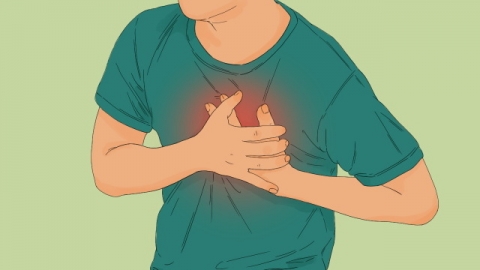
When blood pressure remains poorly controlled over time in patients with hypertension, persistently elevated blood pressure increases resistance against which the heart must pump, leading to myocardial hypertrophy and ventricular dilation. This further impairs the heart's pumping function. Since heart failure itself is characterized by declining cardiac function, the combination of both conditions makes symptoms such as chest tightness and shortness of breath more pronounced and may also increase the risk of acute exacerbations. Maintaining blood pressure within target ranges over the long term can reduce cardiac workload, minimize myocardial damage, and delay the worsening of heart failure.
Daily management should include strict adherence to prescribed antihypertensive medications, avoiding self-discontinuation or dose adjustments. Dietary measures include reducing sodium intake and avoiding spicy or irritating foods. Additionally, maintaining a healthy weight and engaging in moderate low-intensity exercises such as walking are recommended, while excessive physical exertion should be avoided.


