Can I be hospitalized alone for hemorrhoids?
Nov 11, 2025
Source: Cainiu Health

Dr. Li Jingxiang
Introduction
If hemorrhoids are mild and only require conservative treatment or minor minimally invasive surgery, with a quick recovery after the procedure, and if the patient can independently perform daily activities such as eating, oral hygiene, and using the toilet, and has no underlying conditions like hypertension or diabetes that require close monitoring, then hospitalization alone may be acceptable. However, prior communication with medical staff is essential to ensure timely assistance in case of emergencies.
Generally, if hemorrhoids are mild, the patient is able to perform daily self-care activities, and there are no underlying medical conditions, it may be feasible to be hospitalized alone. However, if the condition is severe and requires surgery, if postoperative mobility is limited, or if the patient has underlying health conditions, it is not recommended to be hospitalized alone. If in doubt, it is advisable to consult a healthcare provider in advance. Detailed analysis is as follows:
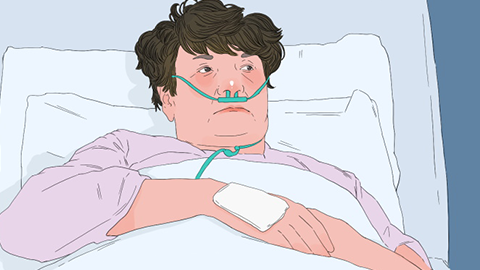
If hemorrhoids are mild and only require conservative treatment or minor minimally invasive procedures, with quick postoperative recovery, and the patient can independently manage daily activities such as eating, personal hygiene, and using the toilet, and has no chronic conditions like hypertension or diabetes that require close monitoring, then hospitalization without a caregiver may be acceptable. However, it is essential to communicate in advance with medical staff to ensure timely assistance in case of emergencies.
If hemorrhoids are severe and require complex surgical intervention, significant postoperative pain or limited mobility may occur, making it difficult for the patient to perform basic daily tasks independently. Additionally, if the patient is elderly or has underlying conditions such as heart disease or cerebrovascular disease, requiring dedicated assistance for monitoring vital signs and daily care, it is not advisable to be hospitalized alone, as this could delay necessary care or result in missing critical changes in the patient's condition.
Prior to hospitalization for hemorrhoids, patients should communicate with the hospital regarding their medical condition and level of self-care ability to determine whether a caregiver is needed. If choosing to be hospitalized alone, patients should inform family or friends of their contact information in advance to ensure help is available in emergencies.