How to relieve mental stress
Nov 17, 2025
Source: Cainiu Health

Dr. Zhang Baohua
Introduction
Stress can be alleviated through regular physical exercise, psychological counseling, adjustment of daily routines, balanced diet, and engaging in hobbies or other distracting activities. Scientific interventions can reduce the negative impact of stress on both mental and physical health. If stress persists for more than two weeks and is accompanied by symptoms such as insomnia or low mood, prompt medical consultation is recommended. It is advised to engage in moderate-intensity exercise 3 to 5 times per week.
High levels of mental stress can be alleviated through regular exercise, psychological counseling, adjustment of daily routines, balanced diet, and engaging in hobbies. Scientific interventions can reduce the negative impact of stress on both physical and mental health. If stress persists for more than two weeks and is accompanied by insomnia or low mood, it is advisable to seek medical help promptly.
1. Regular Exercise: Engaging in moderate-intensity activities such as brisk walking, jogging, or yoga 3–5 times per week helps promote the secretion of dopamine and serotonin, improving emotional well-being and aiding in the release of internal stress, thereby reducing anxiety and tension.
2. Psychological Counseling and Emotional Release: Sharing concerns with family or friends, or seeking help from professional counselors, allows for the expression of negative emotions and identification of stress sources. This prevents emotional buildup. Mindfulness meditation and other self-regulation techniques may also be used when necessary.
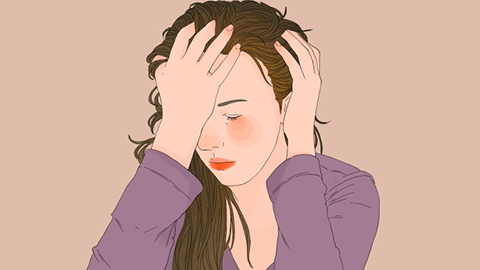
3. Regulation of Daily Routine: Ensuring 7–8 hours of sleep per night and avoiding late nights helps stabilize endocrine and nervous system functions. A consistent routine enhances the body's stress resistance and reduces stress exacerbation caused by sleep deprivation.
4. Balanced Diet: Consuming foods rich in vitamin B complex and Omega-3 fatty acids—such as nuts, deep-sea fish, and leafy greens—while limiting excessive caffeine and high-sugar foods, supports emotional regulation through nutritional balance.
5. Distraction Through Hobbies: Participating in enjoyable activities like painting, listening to music, or gardening shifts attention away from stressors, promotes feelings of pleasure, relieves mental fatigue, enriches life experiences, and strengthens psychological resilience.
Maintaining moderate social interactions, avoiding excessive isolation, learning to delegate tasks and decline unnecessary burdens, and cultivating an optimistic mindset are essential. Gradual, step-by-step adjustments can effectively improve stress levels and support overall physical and mental well-being.