


What are the symptoms of somatization?
Nov 17, 2025
Source: Cainiu Health

Dr. Zhang Baohua
Introduction
Somatic symptoms include discomfort in the digestive system, abnormalities in the cardiovascular system, respiratory symptoms, musculoskeletal pain, and skin or sensory disturbances. These symptoms often recur without clear organic pathology and are closely related to psychological factors. If symptoms persistently affect daily life, timely medical evaluation is recommended. Common manifestations include nausea, vomiting, abdominal pain, and bloating.
Physical symptoms of somatization may involve discomfort in the digestive system, abnormalities in the cardiovascular system, respiratory symptoms, musculoskeletal pain, and skin or sensory disturbances. If these symptoms persistently affect daily life, it is recommended to seek medical evaluation promptly.
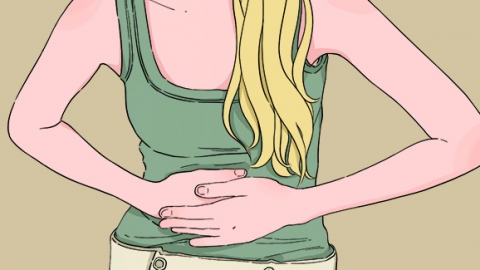
1. Digestive system discomfort: Common symptoms include nausea, vomiting, abdominal pain, bloating, acid reflux, belching, diarrhea, constipation, or significantly reduced appetite. Symptoms may worsen after eating. Repeated gastrointestinal examinations reveal no clear organic lesions, and symptoms are closely related to emotional fluctuations.
2. Cardiovascular system abnormalities: Manifest as chest tightness, palpitations, anxiety, shortness of breath, or sharp chest pain. Some patients may perceive blood pressure fluctuations. Tests such as electrocardiograms show no structural heart problems. Symptoms are often triggered or exacerbated during periods of stress or anxiety.
3. Respiratory symptoms: Include chest tightness, breathlessness, a sensation of insufficient air, frequent sighing, and irregular breathing patterns. Pulmonary examinations show no abnormalities. Subjective breathing discomfort is closely associated with psychological stress and emotional tension.
4. Musculoskeletal pain: Often presents as migratory pain throughout the body, commonly affecting the neck, shoulders, lower back, and joints of the limbs. Pain severity varies over time. Physical examination reveals no specific tender points, and imaging studies show no organic damage.
5. Skin and sensory abnormalities: May manifest as skin itching, rashes, burning sensations, or numbness. Additional symptoms can include blurred vision, tinnitus, or altered taste. Dermatological and sensory examinations do not reveal corresponding organic lesions, and symptoms tend to fluctuate with emotional changes.
Maintain emotional stability and avoid excessive anxiety; adhere to a regular sleep schedule without staying up late; engage in moderate, gentle exercise; follow a light, easily digestible diet; and learn stress-relief techniques such as meditation and deep breathing to reduce the impact of psychological factors on physical health.


