What causes forehead pain and eye pain, and what should be done about it?
Nov 17, 2025
Source: Cainiu Health

Dr. Wang Lei
Introduction
Headaches and eye pain may be caused by eye strain, mental stress, head or eye injuries, migraines, conjunctivitis, etc. Symptoms can be improved through rest, relaxation, cold compresses, or medication. If symptoms worsen or are accompanied by vision loss, nausea, or vomiting, prompt medical attention is necessary. Prolonged screen time and staying up late can contribute to these issues.
Forehead pain and eye pain may be caused by eye strain, mental stress, trauma, migraines, conjunctivitis, etc. Symptoms can be improved through rest, relaxation, cold compresses, or medication. If symptoms worsen or are accompanied by vision loss, nausea, or vomiting, prompt medical attention is necessary.
1. Eye strain: Prolonged screen time or staying up late can cause fatigue in the eye muscles, which pulls on the head's nerves, leading to forehead and eye pain, often accompanied by dryness, soreness, and a feeling of pressure. It is recommended to stop using the eyes immediately, close them to rest or look into the distance, and apply a warm towel to the eye area to relieve fatigue.
2. Mental stress: Long-term anxiety and excessive stress can cause nerve tension and blood vessel constriction, resulting in radiating pain in the head and eyes, often accompanied by irritability and insomnia. Listening to soothing music, practicing deep breathing, and ensuring adequate sleep while avoiding late nights can help relax the mind and body.
3. Trauma: Minor impacts or friction to the head or eyes can damage local tissues and cause congestion, leading to forehead and eye pain, possibly accompanied by swelling. It is recommended to apply a cold compress within 48 hours to reduce swelling and relieve pain. Avoid pressing on the affected area, and seek medical attention if symptoms persist.
4. Migraine: Dysfunction of the nervous system or abnormal blood vessel constriction can cause throbbing pain on one side of the forehead or around the eye. Severe episodes may be accompanied by sensitivity to light and nausea. Patients may take medications such as ibuprofen sustained-release capsules, acetaminophen tablets, or zolmitriptan tablets under medical guidance to relieve discomfort.
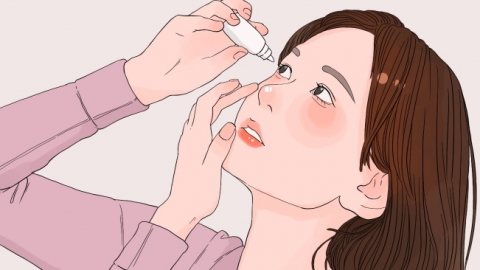
5. Conjunctivitis: Bacterial or viral infections can trigger inflammation of the conjunctiva, irritating the eyes and causing referred pain in the forehead, along with redness, swelling, and increased eye discharge. It is recommended to use medications such as levofloxacin eye drops, acyclovir eye drops, or erythromycin eye ointment under medical supervision to improve symptoms.
Maintain good eye hygiene and avoid rubbing the eyes; limit the duration of electronic device usage. Eat a light diet, avoid spicy and stimulating foods, maintain regular sleep patterns, and keep a positive mood to support recovery.