


What should I do for red, swollen, and painful eyes?
Nov 17, 2025
Source: Cainiu Health

Dr. Wang Shuai
Introduction
Redness, swelling, and pain in the eyes may be caused by eye strain, foreign body irritation, ocular trauma, conjunctivitis, hordeolum, etc. Symptoms can be improved through resting the eyes, keeping the eyes clean, applying cold compresses, and medication. If symptoms worsen or are accompanied by vision loss or purulent discharge, prompt medical attention is necessary. Prolonged screen time and staying up late.
Redness, swelling, and pain in the eyes may result from eye strain, foreign body irritation, ocular trauma, conjunctivitis, or styes. Symptoms can be improved through rest, eye protection, cleansing the eyes, cold compresses, and medication. If symptoms worsen or are accompanied by vision loss or purulent discharge, prompt medical attention is necessary.
1. Eye strain: Prolonged screen time or staying up late can fatigue the eye muscles, leading to redness, swelling, and pain, along with dryness and aching discomfort. It is recommended to stop using the eyes immediately, close them to rest or look into the distance, and apply a warm towel gently around the eyes to relieve fatigue.
2. Foreign body irritation: Dust or residual cosmetics entering the eye can irritate the conjunctiva, causing redness, swelling, and pain, along with tearing and a sensation of a foreign object. It is advised to rinse the eyes with sterile saline solution, avoid rubbing the eyes, and seek medical help to remove any persistent foreign bodies.
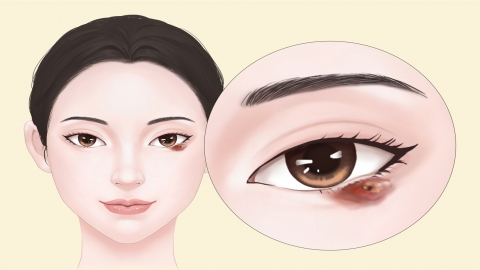
3. Ocular trauma: Injury from impact or friction to the eye can cause conjunctival congestion and tissue swelling, resulting in pain and possibly localized tenderness. Apply cold compresses within the first 48 hours to reduce swelling, avoid pressing on the eye, and seek medical evaluation if symptoms persist.
4. Conjunctivitis: Bacterial or viral infections can trigger inflammation of the conjunctiva, leading to redness and swelling, accompanied by pain and increased eye discharge. Under medical guidance, use medications such as levofloxacin eye drops, acyclovir eye drops, or erythromycin eye ointment to alleviate symptoms.
5. Stye (hordeolum): Acute inflammation caused by bacterial infection of the eyelid glands results in localized redness, swelling, and a raised bump on the eyelid, accompanied by significant pain and tenderness. Follow medical advice to use medications such as tobramycin eye drops, chlortetracycline eye ointment, or cefaclor dispersible tablets to improve symptoms.
Maintain good eye hygiene, avoid rubbing the eyes, reduce screen time, ensure adequate sleep, and consume more fruits and vegetables rich in vitamins to support eye recovery.






