


What are the medications for lowering intraocular pressure in glaucoma?
Nov 17, 2025
Source: Cainiu Health

Dr. Wang Shuai
Introduction
The main intraocular pressure-lowering medications for glaucoma include brinzolamide ophthalmic solution, timolol maleate ophthalmic solution, latanoprost ophthalmic solution, pilocarpine ophthalmic solution, and brimonidine tartrate ophthalmic solution. The choice of medication should be based on the patient's intraocular pressure levels and tolerance. If poor pressure control or ocular discomfort occurs after using the medication, prompt medical consultation is recommended.
Commonly used glaucoma medications for lowering intraocular pressure include brinzolamide eye drops, timolol maleate eye drops, latanoprost eye drops, pilocarpine eye drops, and brimonidine tartrate eye drops. The choice of medication should be based on the patient's intraocular pressure and tolerance. If intraocular pressure remains uncontrolled or eye discomfort occurs after using the medication, prompt medical attention is recommended.
1. Brinzolamide Eye Drops: A carbonic anhydrase inhibitor that reduces aqueous humor production to lower intraocular pressure. It is suitable for adjunctive treatment of open-angle glaucoma and acute angle-closure glaucoma after the attack has subsided. It has a mild effect with a long duration of action.
2. Timolol Maleate Eye Drops: A beta-blocker that inhibits aqueous humor production and slightly enhances its outflow. It is effective for primary open-angle glaucoma and can reduce elevated intraocular pressure caused by various types of glaucoma. It acts relatively quickly.
3. Latanoprost Eye Drops: A prostaglandin analog that lowers intraocular pressure by increasing uveoscleral outflow of aqueous humor. It is a commonly used first-line clinical treatment with good efficacy, indicated for open-angle glaucoma and ocular hypertension.
4. Pilocarpine Eye Drops: A cholinergic receptor agonist that contracts the pupillary sphincter and ciliary muscle, opening the anterior chamber angle to facilitate aqueous humor drainage. It is primarily used during acute attacks of angle-closure glaucoma and can rapidly reduce intraocular pressure to relieve symptoms.
5. Brimonidine Tartrate Eye Drops: An alpha-adrenergic agonist that reduces aqueous humor production while enhancing its outflow through conventional pathways. It is suitable for open-angle glaucoma and is also appropriate for children and adolescents with glaucoma.
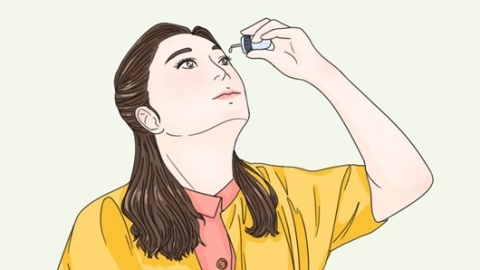
Glaucoma medications must be used strictly according to medical instructions, at the correct time and dosage. After instillation, press the tear sac area (inner corner of the eye) for 1–2 minutes to minimize systemic absorption. Regular monitoring of intraocular pressure is essential; do not adjust the dose or switch medications without consulting a doctor. Maintain good ocular hygiene and avoid contaminating the medication, which may compromise its effectiveness.




