


Does glaucoma cause vision loss?
Nov 19, 2025
Source: Cainiu Health

Dr. Wang Lei
Introduction
In general, whether glaucoma causes vision loss depends on its type. Acute angle-closure glaucoma leads to significant vision decline during an attack, while chronic open-angle glaucoma typically shows no obvious vision loss in the early stages but may cause it in later stages. Glaucoma patients should have regular monitoring of intraocular pressure and visual fields, and avoid prolonged head-down positions or staying in dark environments for extended periods.
Generally, whether glaucoma leads to vision loss depends on its type. Acute angle-closure glaucoma causes significant vision loss during an attack, while chronic open-angle glaucoma typically does not cause obvious vision decline in the early stages but may lead to it in later stages. Detailed analysis is as follows:
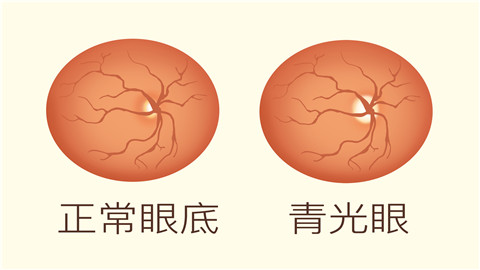
During an acute angle-closure glaucoma attack, intraocular pressure rises sharply, rapidly damaging the optic nerve and causing a sudden drop in vision. This may also be accompanied by symptoms such as eye pain, headache, and nausea. If not promptly treated, some of this damage may become irreversible. Immediate medical attention is required to lower intraocular pressure and preserve remaining vision.
Chronic open-angle glaucoma develops insidiously, with a gradual increase in intraocular pressure. In the early stages, optic nerve damage is mild and vision often remains relatively stable, with only subtle visual field defects present. As the disease progresses and optic nerve damage worsens, significant vision loss eventually occurs, sometimes leaving only light perception. Because early symptoms are usually unnoticeable, the condition is often overlooked.
Patients with glaucoma should have regular monitoring of intraocular pressure and visual fields, avoid prolonged head-down positions, and minimize extended time in dark environments. Maintaining a regular lifestyle, avoiding extreme emotional fluctuations, and reducing eye strain can help slow disease progression and protect existing vision through proper, science-based care.





