


Can surgery be performed for glaucoma with high intraocular pressure?
Nov 17, 2025
Source: Cainiu Health

Dr. Wang Shuai
Introduction
In general, whether high intraocular pressure due to glaucoma can be treated surgically depends on the specific circumstances. Surgery is appropriate when eye pressure cannot be controlled with medication or laser treatment and when there is ongoing optic nerve damage. However, surgery is not recommended if the intraocular pressure is only mildly elevated and well-controlled with medication, or if the patient cannot tolerate surgery. Regular monitoring of eye pressure is essential in daily life, and medications should be taken as prescribed without discontinuation. Avoid prolonged periods of bending forward or staying in dark environments to prevent sudden increases in intraocular pressure.
Generally, whether surgery is appropriate for high intraocular pressure in glaucoma depends on the specific circumstances. Surgery is recommended when eye pressure cannot be controlled with medication or laser treatment and when there is ongoing optic nerve damage; however, if the elevated pressure is mild and manageable with medication, or if the patient is not physically fit for surgery, it is not advised. Detailed analysis is as follows:
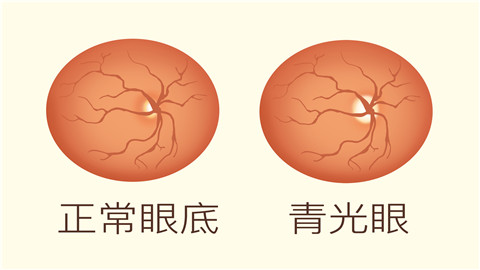
If high intraocular pressure remains uncontrolled despite combination therapy with multiple medications, or if laser treatment proves ineffective and progressive damage such as visual field loss or optic nerve atrophy occurs, surgery becomes necessary. Procedures such as trabeculectomy can create a new drainage pathway for aqueous humor, effectively lowering intraocular pressure and preventing further disease progression.
If the intraocular pressure is only mildly elevated with occasional fluctuations, and can be stably controlled using medications such as brinzolamide eye drops, and if the optic nerve remains unaffected, surgery may be postponed. Additionally, patients with severe cardiopulmonary diseases or coagulation disorders face higher surgical risks and should first stabilize their underlying health conditions.
In daily life, regular monitoring of intraocular pressure is essential, and medications should be taken as prescribed without self-discontinuation. Avoid prolonged periods of bending forward or staying in dark environments to prevent sudden spikes in eye pressure. Maintain a light, low-salt diet, control fluid intake, and keep emotions stable, using comprehensive management strategies to help control the condition.






