


Can mild glaucoma be cured?
Nov 18, 2025
Source: Cainiu Health

Dr. Wang Lei
Introduction
In general, the possibility of curing mild glaucoma should be viewed objectively. The optic nerve damage caused by this condition is irreversible, and complete cure is usually not achievable. However, timely and proper intervention can effectively control the disease progression and prevent worsening. It is essential to strictly follow medical advice regarding medication and never discontinue or adjust dosage without authorization. Regular monitoring of intraocular pressure, fundus condition, and visual field changes is necessary.
In general, whether mild glaucoma can be cured should be viewed objectively. The optic nerve damage caused by this condition is irreversible, and a complete cure is usually not possible. However, timely and standardized intervention can effectively control the disease progression and prevent worsening. Detailed analysis is as follows:
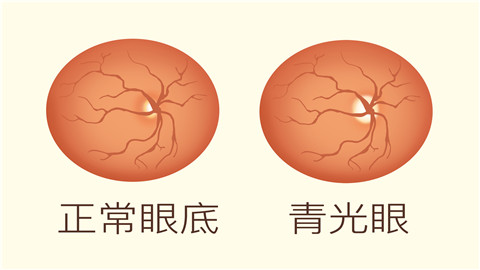
Mild glaucoma often presents with subtle symptoms, typically characterized by slightly elevated intraocular pressure and minor optic nerve damage. This type of damage is permanent; current treatments cannot repair the damaged optic nerve, thus failing to meet the criteria for a complete cure. The condition will not revert to its pre-disease state even with treatment.
However, the mild stage represents a critical window for intervention. By using medications, laser therapy, or other treatments, intraocular pressure can be stabilized and further optic nerve damage prevented. With proper treatment, patients can maintain their existing vision and visual field over the long term, experience no significant impact on quality of life, and keep the disease in a stable state, avoiding progression to moderate or severe glaucoma.
It is essential to strictly follow medical advice regarding medication use—do not discontinue or adjust dosage without guidance. Regular monitoring of intraocular pressure, fundus condition, and visual field changes is necessary, along with establishing a long-term follow-up plan. Maintain a regular daily routine, avoid emotional excitement and prolonged exposure to dark environments, minimize fluctuations in eye pressure, and support long-term disease stability.





