


Is trachoma serious?
Nov 18, 2025
Source: Cainiu Health

Dr. Wang Lei
Introduction
If trachoma is not treated promptly and progresses to the severe stage, scar tissue forms on the conjunctiva, leading to inward turning of the eyelid (entropion) and misdirected eyelashes (trichiasis). The constant friction of eyelashes against the cornea can cause corneal ulcers and opacity, potentially resulting in vision loss or even blindness in severe cases. Additionally, complications such as chronic dacryocystitis may occur, increasing treatment difficulty and posing a significant threat to eye health. Trachoma is therefore classified as a serious ocular disease.
Generally, mild trachoma can be cured with timely treatment and is not serious. However, if left untreated and progresses to severe trachoma, it may lead to complications and become significantly more serious. If in doubt, it is advisable to seek medical consultation early. Detailed analysis is as follows:
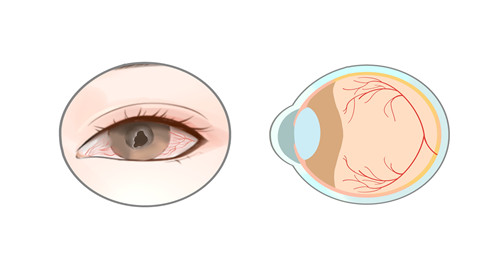
If trachoma is mild, symptoms often include itchy eyes, a foreign body sensation, small amounts of黏性 discharge, and slight conjunctival congestion or follicle formation. At this stage, prompt use of antibiotic medications (such as tetracycline eye ointment) and standardized treatment for 1–3 months can achieve full recovery. Vision is typically unaffected, long-term sequelae are rare, and the condition is relatively mild.
If trachoma is not treated promptly and progresses to an advanced stage, scarring of the conjunctiva may occur, leading to inward turning of the eyelid (entropion) and misdirected eyelashes (trichiasis). The constant rubbing of lashes against the cornea can cause corneal ulcers and opacity, potentially resulting in vision loss or even blindness in severe cases. Additionally, complications such as chronic dacryocystitis may develop, increasing treatment difficulty and posing a significant threat to eye health. This advanced form is considered a serious ocular disease.
In daily life, maintaining good eye hygiene is essential: avoid rubbing the eyes with hands, and do not share towels or washbasins with others. Seek medical attention promptly when experiencing eye discomfort to prevent delayed treatment. During therapy, follow medical instructions carefully regarding medication use and attend regular follow-up visits to ensure complete recovery and prevent recurrence or worsening of the condition.







