


Is an eye pressure of 25 indicative of glaucoma?
Nov 18, 2025
Source: Cainiu Health

Dr. Wang Lei
Introduction
If intraocular pressure is 25 mmHg and accompanied by optic nerve atrophy, visual field defects, or symptoms such as eye discomfort, eye pain, or blurred vision, it may indicate early signs of glaucoma (e.g., open-angle glaucoma). Glaucoma can damage the optic nerve due to persistently elevated intraocular pressure. Without timely intervention, this may lead to irreversible vision loss, necessitating further evaluation to confirm the diagnosis.
Generally, an intraocular pressure (IOP) of 25 mmHg warrants caution but does not confirm a diagnosis of glaucoma. It may indicate physiological high eye pressure or could be an early sign of glaucoma. If concerned, it is recommended to seek medical advice promptly. Detailed analysis is as follows:
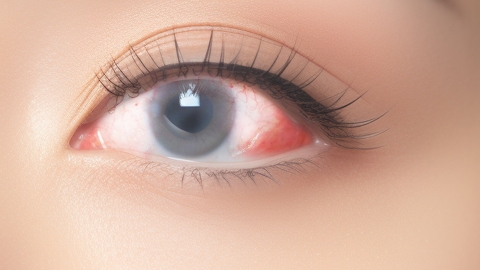
Some individuals naturally have higher baseline intraocular pressure (known as physiological high eye pressure). Although their IOP reaches 25 mmHg, they show no damage to the optic nerve or visual field, nor symptoms such as eye discomfort or headache. This condition is not classified as glaucoma; regular monitoring of eye pressure changes is sufficient, and specific treatment is not required.
If an IOP of 25 mmHg is accompanied by optic nerve atrophy, visual field defects, or symptoms such as eye fullness, eye pain, or blurred vision, it may indicate early-stage glaucoma. Glaucoma causes progressive damage to the optic nerve due to sustained elevated eye pressure. Without timely intervention, this can lead to irreversible vision loss, necessitating further evaluation for definitive diagnosis.
Upon detecting an IOP of 25 mmHg, individuals should visit an ophthalmologist for comprehensive evaluations including fundus examination and visual field testing. Daily habits should include avoiding prolonged periods of bending over or staying in dark environments. Regular follow-up assessments of IOP and optic nerve status are essential. If diagnosed with glaucoma, treatment should be followed as prescribed to control eye pressure and preserve visual function.





