


Can conjunctivitis cause high eye pressure?
Nov 18, 2025
Source: Cainiu Health

Dr. Wang Lei
Introduction
Whether conjunctivitis leads to elevated intraocular pressure depends on the specific type and severity of the condition. Most common forms of conjunctivitis do not cause increased intraocular pressure; however, special types or inflammation affecting the anterior chamber angle may result in fluctuations in eye pressure. Daily eye protection is essential—avoid rubbing eyes with dirty hands and minimize exposure to allergens such as pollen and dust mites. Seek prompt medical treatment during conjunctivitis episodes to prevent the spread of inflammation.
Whether conjunctivitis leads to elevated intraocular pressure depends on the specific type and severity of the condition. Most common forms of conjunctivitis do not cause increased eye pressure; however, if the condition is a special type or if inflammation involves the anterior chamber angle structures, fluctuations in intraocular pressure may occur. A detailed analysis is as follows:
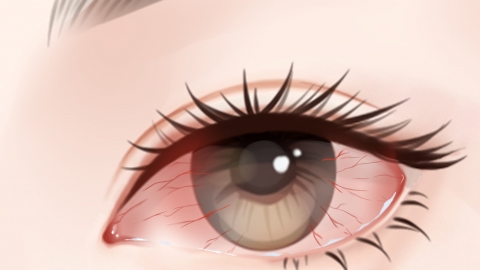
In typical cases such as bacterial or viral conjunctivitis, inflammation is mainly confined to the conjunctival tissue, manifesting as redness, increased discharge, and itching. These types generally do not affect the production or drainage of aqueous humor, so intraocular pressure remains within the normal range. Proper use of antibacterial or antiviral eye drops effectively controls the inflammation.
During acute episodes of allergic conjunctivitis, severe ocular congestion and swelling may temporarily impair aqueous humor flow, leading to a mild, transient rise in eye pressure. If inflammation persists chronically or secondary iridocyclitis develops, damage to the anterior chamber angle structures can result in sustained elevation of intraocular pressure. In such cases, in addition to conjunctival symptoms, patients may also experience eye discomfort, blurred vision, and other related symptoms, requiring targeted medical intervention.
For daily care, proper eye protection is essential—avoid rubbing eyes with dirty hands and minimize exposure to allergens such as pollen and dust mites. Seek timely medical treatment when conjunctivitis occurs to prevent the spread of inflammation. Practice moderate visual use by avoiding prolonged screen time, and maintain clean, moist eyes to support recovery from inflammation and stabilize intraocular pressure.






