Can glaucoma patients watch television?
Nov 19, 2025
Source: Cainiu Health

Dr. Wang Lei
Introduction
Glaucoma patients whose intraocular pressure has remained stable over a long period after treatment, with no significant progressive visual field defects and no discomfort such as eye swelling or headache, may watch television for short periods each day. They should maintain an appropriate viewing distance (at least 3 meters), avoid direct exposure to the screen's bright light, and take a 5-minute break every 30 minutes to reduce eye fatigue and its potential impact on their condition.
Generally, glaucoma patients with stable conditions can watch television in moderation, but those experiencing uncontrolled intraocular pressure or significant symptoms should avoid it. If in doubt, it is recommended to consult a healthcare professional in advance. Detailed explanations are as follows:
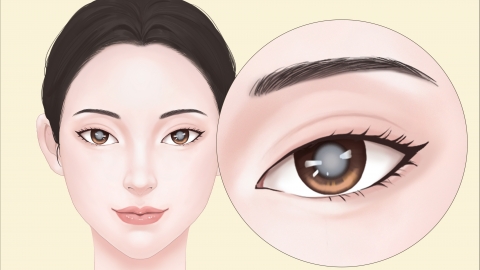
If a glaucoma patient has maintained consistently stable intraocular pressure after treatment, shows no progressive visual field defects, and experiences no discomfort such as eye swelling or headaches, short daily periods of television viewing may be acceptable. Maintain an appropriate viewing distance (at least 3 meters), avoid direct exposure to bright screen light, and take a 5-minute break every 30 minutes to minimize eye strain and its potential impact on the condition.
Patients experiencing an acute glaucoma attack, or those with persistently elevated intraocular pressure that is not well controlled, especially when accompanied by symptoms such as eye pain, blurred vision, or headaches, should avoid watching television. Screen light stimulation and prolonged near-work can increase ocular stress, potentially raising intraocular pressure further and worsening optic nerve damage, which is detrimental to disease stability.
Before watching television, glaucoma patients should assess their current intraocular pressure status and choose a viewing environment with soft lighting. Avoid watching TV in complete darkness; instead, use a low-brightness background light. If any eye discomfort occurs, stop viewing immediately and seek timely medical evaluation to preserve eye health.