


How to prevent the recurrence of styes
Nov 19, 2025
Source: Cainiu Health

Dr. Liu Wenmin
Introduction
To prevent recurrent styes, it is important to maintain good eye hygiene, avoid eye strain, adjust dietary habits, enhance overall immunity, and promptly address any eye issues—targeting the underlying causes to reduce the risk of infection and inflammation. If styes occur frequently or are accompanied by eye discomfort, prompt medical evaluation is recommended to identify potential underlying causes. Routinely clean the eye area with warm water and avoid rubbing the eyes with hands.
To prevent the recurrence of styes, it is important to maintain good eye hygiene, avoid eye strain, adjust dietary habits, enhance overall immunity, and promptly address any eye issues—targeting the underlying causes to reduce the risk of infection and inflammation. If styes occur frequently or are accompanied by eye discomfort, medical evaluation is recommended to identify potential underlying conditions.
1. Maintain eye cleanliness: Clean the eye area daily with warm water, avoid rubbing the eyes with hands, thoroughly remove makeup after application, and do not share towels, eye creams, or similar items with others to minimize bacterial growth and infection risk.
2. Avoid eye fatigue: Avoid prolonged continuous use of electronic screens; take a 10-minute break every hour. Ensure adequate sleep and avoid staying up late, allowing eye tissues sufficient time to recover and reducing inflammation caused by decreased resistance.
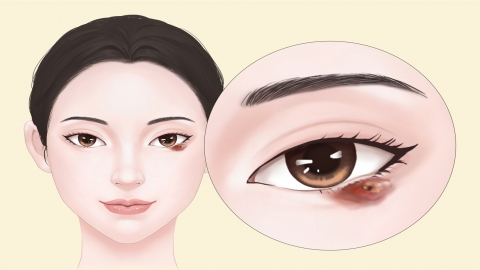
3. Adjust diet: Reduce intake of spicy, fried, and high-sugar foods. Increase consumption of fruits, vegetables rich in vitamins, and high-quality proteins. Prevent "internal heat" that may lead to abnormal meibomian gland secretion and maintain ocular metabolic balance.
4. Enhance immune function: Engage in regular moderate physical exercise, adjust intensity according to individual fitness levels, avoid overexertion, maintain emotional stability, and strengthen overall body resistance to protect against bacterial invasion.
5. Address eye problems promptly: Treat eyelid margin inflammation (blepharitis), conjunctivitis, and other eye inflammations as soon as they arise. Individuals with refractive errors should wear appropriate corrective lenses to prevent chronic eye issues that may trigger styes.
Develop healthy daily eye-care habits, regularly clean the skin around the eyes, avoid touching the corners of the eyes or eyelids with hands, maintain a light and balanced diet, and engage in moderate exercise to strengthen physical health—building a protective barrier for long-term eye wellness.



