


Can people with dry eye syndrome drink alcohol?
Nov 19, 2025
Source: Cainiu Health

Dr. Wang Lei
Introduction
In general, whether patients with dry eye syndrome can drink alcohol depends on their condition. Alcohol should be strictly avoided during acute flare-ups. In periods of symptom relief, only minimal consumption may be allowed, but drinking is still not recommended. Daily eye moisturizing care is essential; artificial tears can be used to relieve dryness, prolonged screen time should be avoided, and eyes should be rested by looking into the distance every 30 minutes. Indoor humidity should be maintained at an appropriate level, and direct exposure of the eyes to air conditioning airflow should be avoided.
In general, whether patients with dry eye syndrome can drink alcohol depends on the status of their condition. Alcohol should be strictly prohibited during acute flare-ups, and even in the remission phase, only minimal consumption may be allowed—however, drinking is not recommended. The specific analysis is as follows:
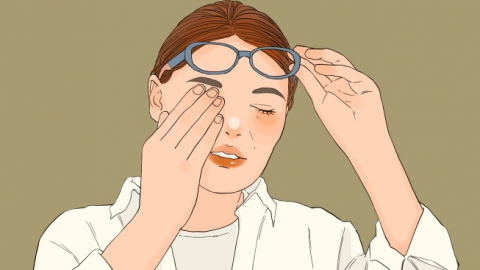
If dry eye syndrome is in an acute phase, with obvious symptoms such as dryness, foreign body sensation, and photophobia, alcohol must be completely avoided. Alcohol has a dehydrating effect, which accelerates fluid loss in the body, further reducing tear secretion. It may also irritate the ocular surface mucosa, worsen conjunctival congestion, intensify eye discomfort, and delay recovery.
During stable, symptom-free remission periods—when mild dryness occurs only occasionally and without significant discomfort—minimal intake of low-alcohol beverages might be acceptable, but caution is still required. Even in small amounts, alcohol can affect both the quality and quantity of tears, disrupt tear film stability, and increase the risk of symptom recurrence; therefore, it is not advisable as a regular practice.
Daily care should focus on maintaining eye moisture. Artificial tears can be used to relieve dryness, prolonged screen time should be avoided, and eyes should be rested by looking into the distance every 30 minutes. Indoor humidity should be maintained at a comfortable level, and direct exposure to air conditioning airflow should be avoided. Diet should include foods rich in vitamin A, and other eye irritants should be minimized.





