


Is glaucoma always present in both eyes?
Nov 19, 2025
Source: Cainiu Health

Dr. Wang Lei
Introduction
In general, glaucoma does not necessarily affect both eyes. Whether one or both eyes are affected, proper eye protection is essential. Avoid prolonged exposure to dimly lit environments and ensure adequate lighting when reading. Maintain emotional stability, avoid strenuous exercise, excessive bending over, or lowering the head, to minimize fluctuations in intraocular pressure. Follow your doctor's instructions for regular eye pressure measurements and fundus examinations, and do not neglect monitoring simply because the unaffected eye shows no symptoms.
Generally, glaucoma does not necessarily affect both eyes. The detailed analysis is as follows:
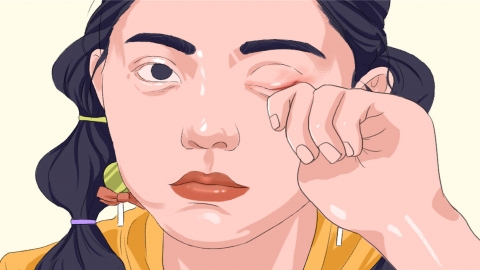
Glaucoma does not always involve both eyes; unilateral involvement is quite common in clinical practice. In some patients, structural abnormalities in the anterior chamber angle or impaired trabecular meshwork function in one eye can obstruct aqueous humor drainage, leading to elevated intraocular pressure and subsequent optic nerve damage. The contralateral eye, having normal anatomy or only mild changes, may not yet show signs of glaucoma. However, it is important to note that when one eye is affected, the other eye is considered at high risk and should also be monitored regularly.
Regardless of whether one or both eyes are affected, proper eye protection is essential. Avoid prolonged periods in dimly lit environments and ensure adequate lighting when reading. Maintain emotional stability, avoid strenuous exercise, and minimize excessive bending or低头 movements to reduce fluctuations in intraocular pressure. Follow medical advice for regular intraocular pressure measurements and fundus examinations, and do not neglect monitoring simply because the unaffected eye shows no symptoms. Maintain a light, low-salt diet, ensure smooth bowel movements, and seek prompt medical attention if symptoms such as eye discomfort or blurred vision occur.


