


What should I do if scalded by hot water and experiencing burning pain?
Nov 25, 2025
Source: Cainiu Health

Dr. Liu Wenmin
Introduction
In general, burning pain caused by hot water scalds can be relieved through methods such as cooling with cold water, wound protection, pain-relieving medications, proper cleaning and care, and dietary adjustments. Additionally, it is important to closely monitor changes in the wound and use medications as directed by a healthcare professional. If symptoms such as persistent pain, redness and swelling of the wound, pus formation, or fever occur, prompt medical attention is necessary.
Generally, a burning pain caused by hot water scalding can be relieved through methods such as cooling with cold water, wound protection, pain-relieving medication, proper cleaning and care, and dietary adjustments. A detailed analysis is as follows:
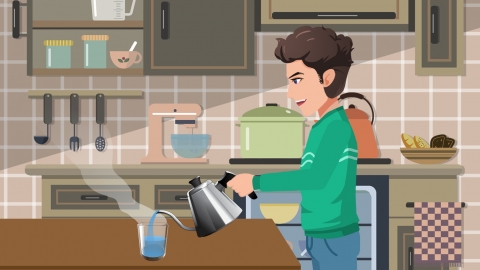
1. Cooling with Cold Water
Immediately immerse the scalded area in flowing lukewarm water for 20 to 30 minutes, or continuously rinse it with cool water. Hot water stimulates skin nerve endings, causing severe pain and ongoing damage to underlying tissues. Cold water rapidly removes localized heat, suppresses the excitability of nerve endings, quickly alleviates pain, and prevents further thermal injury to tissues. Avoid using ice-cold water to prevent frostbite.
2. Wound Protection
Gently cover the wound with sterile gauze to avoid friction or pressure. After a scald, the skin barrier is compromised, making the area vulnerable to bacterial infection. Gauze acts as a barrier against external irritants and contaminants, reducing secondary injury to the wound while maintaining a moist environment that supports subsequent healing. Do not apply toothpaste, soy sauce, or other substances arbitrarily, as they may irritate the wound.
3. Pain Relief Medication
For severe pain, take medication as directed by a doctor. Topically, clindamycin-lidocaine gel can be applied to numb nerve endings and reduce pain. If the pain is widespread, oral medications such as ibuprofen sustained-release tablets or acetaminophen tablets may be used. In cases where there is a risk of infection, mupirocin ointment can be applied externally as needed.
4. Cleaning and Care
If the skin surface is intact, gently wipe the surrounding skin with sterile saline solution. If blisters have formed but are unbroken, do not puncture them; simply clean the surface. Saline helps remove residual debris from the wound and reduces the risk of infection. Handle gently during cleaning to avoid touching the wound directly, which could worsen pain.
5. Dietary Adjustment
Avoid spicy and irritating foods, as these may stimulate the wound via the bloodstream, exacerbating pain and inflammation. Increase intake of foods rich in vitamin C and protein, such as oranges, eggs, and lean meat, to provide essential nutrients for skin tissue repair and enhance the body's recovery capacity, thereby indirectly helping to relieve pain.
In addition, closely monitor changes in the wound and follow medical advice regarding medication. Seek prompt medical attention if pain persists, the wound becomes red, swollen, or pus-filled, or if fever develops. A healthcare professional should evaluate the condition and develop an appropriate treatment plan to prevent worsening of the injury.



