


What are the symptoms of a throat burn?
Nov 25, 2025
Source: Cainiu Health

Dr. Lu Cheng
Introduction
In general, symptoms of a scalded throat mainly include sore throat, difficulty swallowing, hoarseness, redness and swelling of the oral mucosa, and cough with phlegm. If any discomfort occurs, it is recommended to seek timely medical treatment at a正规 hospital. In daily life, always test the temperature before consuming hot food or drinks, and avoid hastily eating freshly cooked meals. Immediately after a scald injury, rinse the mouth with cool milk or lukewarm water to reduce the temperature.
Under normal circumstances, the main symptoms of throat burns include sore throat, difficulty swallowing, hoarseness, redness and swelling of oral mucosa, coughing with phlegm, etc. If discomfort occurs, it is recommended to seek timely medical treatment at a正规 hospital. Specific analysis is as follows:
1. Sore Throat
High temperature irritates the pharyngeal mucosa, causing congestion, edema, or even damage to the mucosal tissue. This stimulates nerve endings and results in pain. The pain is typically burning or sharp in nature and worsens during swallowing. In severe cases, pain may even occur during normal breathing.
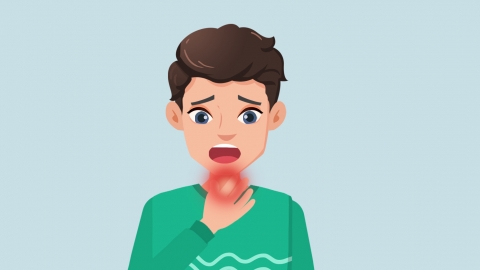
2. Difficulty Swallowing
Swelling of the pharyngeal mucosa narrows the entrance to the esophagus, and increased pain during swallowing causes patients to avoid the action voluntarily. This manifests as difficulty passing food or liquids, sometimes accompanied by choking or coughing. In severe cases, only liquid foods can be consumed.
3. Hoarseness
The vocal cord mucosa is delicate and easily affected by high temperatures, leading to congestion and swelling. This impairs the vibration frequency and closure function of the vocal cords, resulting in hoarseness. The patient's voice becomes rougher and lower-pitched; in serious cases, speaking may become difficult or even impossible (loss of voice).
4. Redness and Swelling of Oral Mucosa
Throat burns are often accompanied by injury to the oral mucosa. High temperatures cause capillaries beneath the oral mucosa to dilate and become congested, leading to redness and swelling on the inner cheeks, gums, and edges of the tongue. Blisters or superficial ulcers may also develop in some areas.
5. Coughing with Phlegm
After mucosal injury, increased secretions in the throat stimulate the respiratory tract, triggering protective coughing. Initially, the sputum is usually clear and mucoid. If secondary infection occurs, the sputum becomes cloudy and yellowish, and the frequency of coughing significantly increases.
When consuming hot food or drinks, always test the temperature first and avoid hastily eating freshly cooked meals. Immediately after a burn, rinse the mouth with cold milk or cool water to reduce the temperature. Avoid spicy or hard foods that could irritate the injured area. Seek immediate medical attention if symptoms such as difficulty breathing or high fever occur, to prevent worsening of the condition and potential complications.





