


How to perform self-rescue at home for shortness of breath
Nov 25, 2025
Source: Cainiu Health

Dr. Ren Yi
Introduction
Methods for self-managing shortness of breath at home generally include adjusting to a comfortable body position, ensuring good ventilation in the environment, breathing slowly and rhythmically, staying adequately hydrated, and relaxing to reduce anxiety and tension. Adopting a semi-sitting or sitting position with a slight forward lean, supporting the hands on a table or knees, can help open up chest space, reduce pressure on the lungs, improve airflow, and alleviate chest tightness and breathlessness, while avoiding lying flat, which may worsen discomfort.
Methods for self-rescue at home when experiencing difficulty breathing generally include adjusting to a comfortable body position, ensuring good ventilation in the environment, practicing slow and regular breathing, appropriately replenishing fluids, and relaxing to reduce anxiety. Specific measures are as follows:
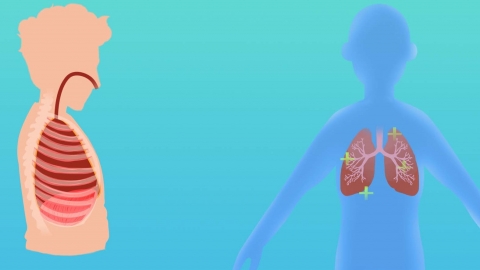
1. Adjust to a comfortable body position: Sit upright or in a semi-reclining position, slightly leaning forward, with hands resting on a table or knees. This helps expand the chest cavity, reduces pressure on the lungs, improves airflow, relieves chest tightness and shortness of breath, and avoids lying flat, which may worsen symptoms.
2. Ensure proper ventilation: Open windows promptly to allow fresh air, and turn off any appliances producing odors or smoke. Avoid exposure to irritating gases that may aggravate the airways, ensuring adequate oxygen intake to help alleviate symptoms.
3. Practice slow and regular breathing: Use diaphragmatic breathing—inhale slowly through the nose for 3–5 seconds, allowing the abdomen to rise, then exhale through the mouth for 5–7 seconds. Repeat this process to regulate breathing rhythm, reduce the strain caused by rapid breathing, and promote stable respiration.
4. Appropriately replenish fluids: If conscious and without risk of choking, drink small amounts of warm water frequently. This helps moisten the airways, thin mucus secretions, prevent worsening blockage due to dryness, and maintain normal metabolic function.
5. Relax and reduce tension: Calm your emotions through slow deep breathing or listening to soothing music. Avoid heightened anxiety, which can disrupt breathing patterns, overstimulate the sympathetic nervous system, and impair recovery of normal breathing.
If difficulty breathing persists or is accompanied by chest pain, dizziness, or altered consciousness, call emergency services immediately. Monitor potential triggers in daily life and avoid exposure. Individuals with underlying respiratory conditions should keep emergency medications on hand as prescribed and attend regular follow-up appointments.





