


How to restore hearing after hearing loss in patients with otitis media
Nov 26, 2025
Source: Cainiu Health

Dr. Lu Cheng
Introduction
Patients with otitis media who experience hearing loss typically require timely control of inflammatory infection, removal of middle ear effusion, use of hearing assistive devices, repair of structural damage in the middle ear, and adherence to postoperative rehabilitation care. Under a doctor's guidance, anti-infective medications should be used to eliminate middle ear inflammation. Once the inflammation subsides, swelling of the middle ear mucosa decreases, improving obstruction in the sound conduction pathway and thereby alleviating hearing loss.
After hearing loss caused by otitis media, restoring hearing generally requires timely control of inflammatory infection, removal of middle ear effusion, use of assistive hearing devices, repair of structural damage in the middle ear, and adherence to postoperative rehabilitation care. The details are as follows:
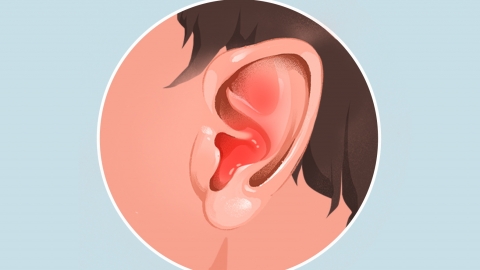
1. Timely control of inflammation and infection: Anti-infective medications should be used under medical guidance to eliminate middle ear inflammation. As the inflammation subsides, swelling of the middle ear mucosa decreases, improving obstruction in the sound conduction pathway, alleviating hearing loss, and preventing ongoing damage to auditory structures.
2. Removal of middle ear effusion: If fluid has accumulated in the middle ear, it can be drained via tympanocentesis, myringotomy, or medication that promotes fluid drainage. Once the fluid is cleared, middle ear pressure returns to normal, allowing sound to transmit properly to the inner ear and enabling gradual recovery of hearing.
3. Use of assistive hearing devices: If mild to moderate hearing loss persists after the infection has resolved, hearing aids may be recommended following a hearing assessment. These devices amplify sound signals and help improve hearing difficulties in daily communication, especially when medication or surgery cannot fully restore hearing.
4. Repair of structural damage in the middle ear: In cases involving injuries such as tympanic membrane perforation or disruption of the ossicular chain, surgical interventions like tympanoplasty or ossiculoplasty are required. Restoring these structures helps recover sound conduction function and fundamentally improves hearing loss caused by structural damage.
5. Adherence to postoperative rehabilitation care: After surgery, it is essential to keep the ear clean and dry, avoid exposure to contaminated water to prevent infection, and attend regular follow-up appointments for hearing evaluations. Doctors may adjust treatment plans accordingly. Additionally, patients should avoid forceful nose-blowing and strenuous physical activity that could impair recovery.
Patients with hearing loss due to otitis media should seek prompt medical evaluation to determine the underlying cause and extent of damage. Strict adherence to medical instructions during treatment is crucial—self-discontinuation of medication or delayed treatment should be avoided to prevent worsening hearing damage or progression to permanent hearing impairment.




