


How to deal with ear piercing hypertrophic scarring
Nov 27, 2025
Source: Cainiu Health

Dr. Liu Wenmin
Introduction
Keloid or hypertrophic scar management at ear piercing sites should focus on controlling inflammation, suppressing tissue overgrowth, and avoiding irritation. This can generally be managed through proper cleaning and disinfection, topical application of medicated ointments, avoiding frequent touching, switching to hypoallergenic earrings, and seeking timely medical intervention when necessary. Clean the affected area and surrounding piercing site daily with saline solution or medical alcohol, gently wiping to maintain dryness and cleanliness, and prevent accumulation of secretions that could lead to infection.
Dealing with ear piercing hypertrophic scars should focus on controlling inflammation, inhibiting tissue overgrowth, and avoiding irritation. This can generally be managed through proper cleaning and disinfection, topical ointments, minimizing touching, changing earring materials, and seeking timely medical intervention. Specific measures are as follows:
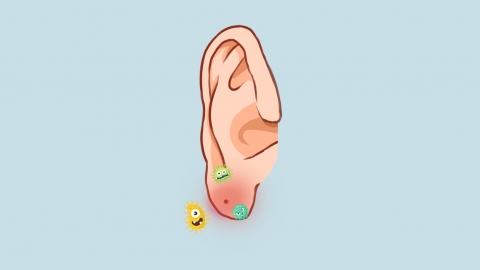
1. Cleaning and disinfection: Gently wipe the hypertrophic area and surrounding piercing site daily with saline solution or medical alcohol to keep the area clean and dry. This helps prevent secretion buildup and secondary infection, reduces inflammatory stimulation that may worsen the overgrowth, and prevents further enlargement of the scar.
2. Topical ointment application: Under a doctor's guidance, select appropriate ointments such as silicone gel or anti-inflammatory creams. Apply a thin layer to the affected area according to instructions, gently massaging to promote absorption. This helps suppress fibrous tissue proliferation and alleviate symptoms like redness, swelling, and hard lumps.
3. Avoid frequent touching: Do not squeeze or rub the hypertrophic tissue with your hands, to minimize irritation to the piercing site and prevent mechanical stress from causing further enlargement. Be cautious when dressing or undressing to avoid snagging the earring, which could aggravate injury.
4. Change earring material: If wearing earrings triggers or worsens the overgrowth, promptly switch to hypoallergenic materials such as sterling silver, pure gold, or titanium alloy. Avoid earrings made of plastic or nickel alloys, which are more likely to irritate the skin and provoke allergic reactions leading to scar formation.
5. Seek timely medical care: If the overgrowth continues to increase in size, is accompanied by pain or pus discharge, or shows no improvement with self-care, consult a healthcare provider promptly. Doctors may intervene with treatments such as corticosteroid injections or laser therapy to prevent further progression and cosmetic impairment.
During management, closely monitor changes in the affected area and avoid unguided self-treatment. For minor overgrowth following a new ear piercing, proper wound care and observation may suffice initially; however, if symptoms persist or worsen, professional medical assistance should be sought as early as possible.




