


Why does my ear piercing keep producing discharge?
Nov 27, 2025
Source: Cainiu Health

Dr. Liu Wenmin
Introduction
Some people are allergic to certain earring materials, such as metals like nickel and chromium. After an allergic reaction occurs, the skin around the ear piercing may develop inflammation, increased discharge, and is often accompanied by itching and rashes. Once an allergy develops, immediately switch to hypoallergenic earrings made of non-reactive materials such as pure gold or pure silver. Under a doctor's guidance, apply topical calamine lotion, triamcinolone acetonide cream, or desonide cream to relieve allergic symptoms.
Under normal circumstances, persistent discharge from an ear piercing may result from the body's normal response after piercing, poor healing of the piercing, or conditions such as infection, allergic reactions, or sebaceous cysts. If the discharge increases abnormally or is accompanied by other discomforts, it is recommended to seek timely medical evaluation and treatment at a reputable hospital. The specific causes are analyzed as follows:
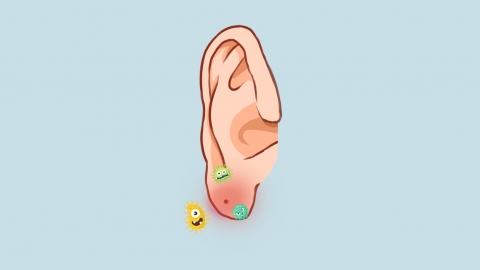
1. Normal bodily response after ear piercing: During ear piercing, local tissues are damaged, prompting the body’s self-repair mechanism. A small amount of tissue fluid may exude from the piercing site, which is a normal physiological phenomenon. No special treatment is required; simply keep the area around the piercing clean and dry, avoid contact with water, and allow it to heal naturally.
2. Poor healing of the piercing: Removing the earring too early after piercing or frequently touching the site with hands can interfere with normal healing, leading to persistent minor discharge. Avoid frequent touching, wear earrings made of suitable material and appropriate size, maintain cleanliness of the piercing, and allow sufficient time for healing.
3. Piercing infection: Inadequate sterilization during piercing or improper aftercare may allow bacterial invasion and lead to infection. Infected piercings often produce increased discharge and are commonly accompanied by redness, swelling, and pain. For infections, topical application of antibiotics such as erythromycin ointment, mupirocin ointment, or fusidic acid cream should be performed under medical supervision.
4. Allergic reaction: Some individuals are allergic to certain earring materials, such as metals like nickel or chromium. An allergic reaction causes inflammatory changes in the skin around the piercing, resulting in increased discharge, itching, and rashes. Once an allergy is suspected, immediately switch to hypoallergenic earrings, such as those made of pure gold or pure silver, and apply calamine lotion, triamcinolone acetonide cream, or desonide cream as directed by a physician to relieve symptoms.
5. Sebaceous cyst: Blockage of sebaceous gland ducts near the piercing site can cause accumulation of sebum and form a cyst. When a cyst becomes secondarily infected, discharge from the piercing increases, often accompanied by redness, swelling, and pain. Small cysts may be treated under medical guidance with topical applications such as ichthammol ointment, Ruyi Jinhuang powder, or mupirocin ointment to reduce inflammation. Larger cysts may require surgical removal.
In daily life, choose reputable establishments for ear piercing to ensure strict sterilization; select earrings made of suitable, non-allergenic materials; keep the piercing site clean and dry; avoid frequent touching; perform regular checks on the piercing, and seek medical attention promptly if any abnormalities occur.



