


How to relieve ear pain caused by blowing the nose too hard
Nov 27, 2025
Source: Cainiu Health

Dr. Lu Cheng
Introduction
Ear pain from blowing the nose too hard is often caused by pressure in the nasal cavity being transmitted to the middle ear, leading to discomfort. This can usually be relieved by adjusting the way you blow your nose, performing Eustachian tube opening maneuvers, applying warm compresses to the ear, avoiding ear irritation, and keeping the nasal passages clear. Stop forcefully blowing both nostrils at the same time; instead, press one nostril closed and gently blow out the mucus from the other side, then switch and repeat on the opposite side.
Ear pain caused by blowing the nose too hard is usually due to pressure transmission from the nasal cavity to the middle ear. This discomfort can generally be relieved by adjusting the way you blow your nose, performing Eustachian tube opening maneuvers, applying warm compresses to the ear, avoiding ear irritation, and keeping the nasal passages clear. Specific measures are as follows:
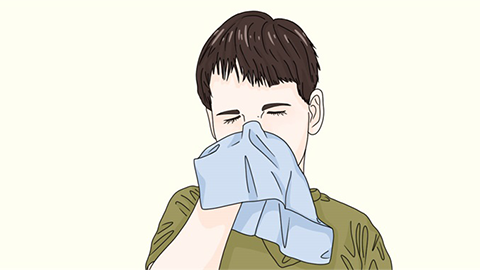
1. Adjust nose-blowing technique: Stop forcefully blowing both nostrils at the same time. Instead, press one nostril closed and gently blow out mucus from the other side, then switch sides. Gentle nose-blowing reduces pressure transmission from the nasal cavity to the middle ear, helping prevent worsening of ear pain.
2. Perform Eustachian tube opening maneuvers: Slowly swallow, or take small sips of warm water repeatedly. Swallowing helps open the Eustachian tube, balancing pressure between the middle ear and the outside environment, thereby relieving ear fullness and pain caused by pressure buildup. Repeat as needed.
3. Apply a warm compress to the ear: Use a warm towel (temperature should be comfortable and not scalding) and apply it to the affected ear for 10–15 minutes per session. The warmth promotes blood circulation in the ear area, relaxes surrounding muscles, and alleviates pain caused by pressure irritation.
4. Avoid ear irritation: Avoid aggressive ear cleaning, wearing headphones, or allowing water into the ears in the short term, as these may worsen ear discomfort. Also minimize forceful coughing or sneezing to prevent increased nasal pressure from affecting the middle ear.
5. Keep nasal passages clear: If nasal congestion is present, use saline nasal sprays or a nasal irrigator to clean the nasal cavity, moisturize the nasal mucosa, and thin secretions to improve airflow. When nasal passages are clear, less force is needed when blowing the nose, reducing the likelihood of ear pain at its source.
In daily practice, always blow the nose gently. If ear pain persists for more than 1–2 days, or if symptoms such as ear fullness, hearing loss, or pus drainage occur, seek medical attention promptly to avoid delaying diagnosis and treatment of potential middle ear issues.





