


How to treat rhinitis in little girls
Nov 27, 2025
Source: Cainiu Health

Dr. Lu Cheng
Introduction
Treatment of rhinitis in young girls primarily involves medication control, allergen avoidance, nasal care, lifestyle adjustments, and symptom monitoring. Treatment plans should be selected according to the child's age and condition. Medication must be used under pediatric medical guidance. If symptoms persist or worsen, or if breathing difficulties occur, prompt medical attention is necessary.
1. Medication control: Pediatric-specific formulations are preferred, such as nasal
Management of rhinitis in young girls primarily involves medication control, allergen avoidance, nasal care, lifestyle adjustments, and symptom monitoring. Treatment plans should be tailored according to the child's age and condition. Medication must be used under pediatric medical guidance. If symptoms persist or worsen, or if breathing difficulties occur, prompt medical attention is necessary.
1. Medication control: Preferably use pediatric-specific formulations such as intranasal corticosteroid sprays and oral antihistamines. Dosage must be strictly adjusted based on age and weight to avoid adverse reactions from self-medication.
2. Allergen avoidance: Minimize exposure to identified allergens—for example, maintain regular household cleaning for dust mite allergies, reduce outdoor activities during pollen season, and avoid keeping pets if allergic. This helps reduce flare-ups at the source.
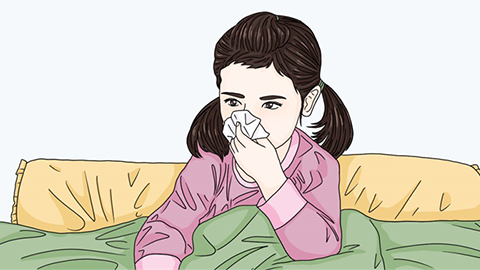
3. Nasal care: Use saline nasal irrigation daily to clean the nasal cavity, maintain mucosal moisture, remove residual allergens and secretions, and relieve symptoms such as nasal congestion and sneezing. Perform gently to avoid damaging the nasal mucosa.
4. Lifestyle adjustments: Ensure regular sleep patterns and moderate physical activity to boost immunity. Maintain a balanced diet and avoid spicy or irritating foods. Dress appropriately according to weather changes to prevent colds that may trigger rhinitis.
5. Symptom monitoring: Keep a record of symptom onset, frequency, and severity to assist doctors in adjusting treatment plans. Promptly report any lack of improvement after medication or the appearance of new discomfort.
Daily care should emphasize well-ventilated and dry environments, avoiding exposure to irritants such as tobacco smoke. Use soft tissues to wipe the nose gently to minimize friction, and encourage increased fluid intake to keep the respiratory tract moist, supporting symptom relief and disease stability.





