


What causes dry mouth and nasal congestion?
Nov 27, 2025
Source: Cainiu Health

Dr. Lu Cheng
Introduction
In general, dry mouth and nasal congestion may be caused by factors such as dry environment, dehydration, insufficient daily water intake, common cold, allergic rhinitis, or postnasal drip syndrome. It is recommended to seek medical attention promptly, identify the underlying cause, and receive symptomatic treatment under a doctor's guidance. In daily life, maintain good indoor air circulation and avoid staying in air-conditioned or heated rooms for prolonged periods.
Generally, dry mouth and nasal congestion may be caused by dry environment, dehydration, common cold, allergic rhinitis, or postnasal drip syndrome. It is recommended to seek medical attention promptly to determine the underlying cause and receive appropriate treatment under a doctor's guidance. Specific analyses are as follows:
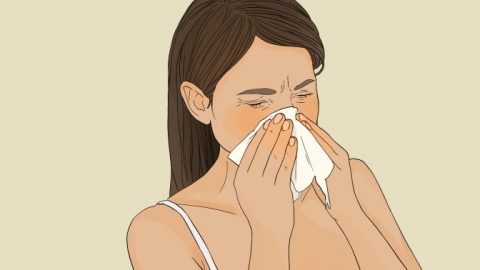
1. Dry and Dehydrated Environment: In low-humidity air, moisture from nasal and oral mucous membranes evaporates easily, leading to dryness, nasal blockage, and dry mouth. Using a humidifier indoors to maintain humidity between 40%–60%, applying warm towels gently over the nose, and drinking sufficient amounts of lukewarm water can help replenish moisture.
2. Insufficient Daily Water Intake: Prolonged lack of timely hydration puts the body in a mildly dehydrated state, reducing secretion from oral and nasal mucous membranes, resulting in dry mouth and nasal congestion. Develop a habit of drinking water regularly—150–200 mL of warm water at a time—and avoid consuming large quantities all at once to keep mucous membranes moist.
3. Common Cold: Viral infection causes upper respiratory tract inflammation, leading to nasal mucosal swelling and congestion. Inflammation may also affect salivary gland secretion, causing dry mouth, often accompanied by sore throat and runny nose. Patients should follow medical advice to take medications such as Compound Paracetamol and Amantadine Tablets, Lianhua Qingwen Capsules, or Ganmao Ling Granules, and ensure adequate rest while avoiding fatigue.
4. Allergic Rhinitis: After exposure to allergens like pollen or dust mites, nasal mucosa becomes swollen due to an allergic reaction, blocking the airway. The allergic response may also suppress salivary gland secretion, causing dry mouth. Patients should use medications such as Loratadine Tablets, Mometasone Furoate Nasal Spray, or Cetirizine Hydrochloride Drops as directed by a physician and avoid known allergens.
5. Postnasal Drip Syndrome: Conditions such as rhinitis or sinusitis cause nasal secretions to drain backward into the throat, irritating the mucous membranes. This often leads patients to breathe through their mouths to relieve nasal congestion, which subsequently causes dry mouth. Patients should follow medical recommendations to use medications such as Cefixime Dispersible Tablets, Budesonide Nasal Spray, or Eucalyptus Citrus Pine Enteric-coated Soft Capsules to alleviate symptoms.
In daily life, maintain good indoor ventilation and avoid prolonged stays in air-conditioned or heated rooms. Eat a light diet, reduce intake of spicy and irritating foods, rinse your mouth with warm water after meals, and keep the oral and nasal cavities clean to help relieve discomfort.






