


What causes dry throat and dry mouth, and what medications should be used?
Nov 28, 2025
Source: Cainiu Health

Dr. Lu Cheng
Introduction
Dry throat and dry mouth may be caused by dry environments, insufficient water intake, chronic pharyngitis, Sjögren's syndrome, diabetes, etc. Symptoms can be improved by humidifying the environment, increasing fluid intake, or medication. If symptoms persist for more than one week or are accompanied by dry eyes, excessive thirst, or frequent urination, prompt medical attention is necessary. Prolonged exposure to air-conditioned rooms or heated environments, or
Dry throat and dry mouth may be caused by environmental dryness, insufficient water intake, chronic pharyngitis, Sjögren's syndrome, diabetes, etc. Symptoms can be improved by humidifying the environment, increasing fluid intake, or medical treatment. If symptoms persist for more than one week or are accompanied by dry eyes, excessive thirst, or frequent urination, prompt medical attention is necessary.
1. Dry Environment: Prolonged exposure to air-conditioned rooms, heated environments, or naturally dry climates can lead to moisture loss from the respiratory mucosa, causing dry throat and mouth—especially noticeable upon waking. It is recommended to use a humidifier to increase indoor humidity, ventilate the room regularly, and avoid staying in enclosed spaces for extended periods.
2. Insufficient Water Intake: Low daily fluid intake or frequent consumption of spicy or overly salty foods can result in inadequate hydration and reduced moisture in the throat lining. It is advised to drink 1500–2000 mL of warm water daily in small, frequent amounts, while reducing intake of spicy and high-salt foods.
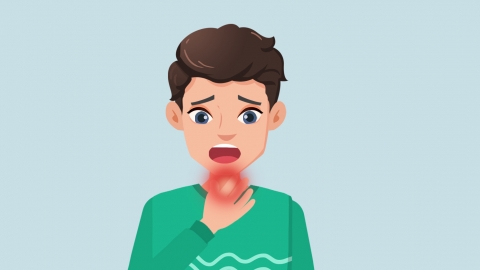
3. Chronic Pharyngitis: Long-term inflammation irritates the pharyngeal mucosa, leading to congestion, dryness, and reduced secretion, resulting in dry throat and mouth, often accompanied by a sensation of a foreign body in the throat or mild sore throat. Patients may use medications such as watermelon frost lozenges, Qinghou Liyan granules, or compound borax mouthwash under medical guidance to relieve symptoms.
4. Sjögren's Syndrome: An autoimmune disorder affecting the salivary glands, leading to decreased saliva production and persistent dry throat and mouth, often associated with dry eyes and nasal dryness. Treatment may include sodium hyaluronate eye drops, hydroxychloroquine tablets, or total glucosides of paeony capsules, used under medical supervision to alleviate discomfort.
5. Diabetes: Poor long-term blood glucose control leads to osmotic diuresis, causing fluid loss and impaired salivary gland function, resulting in dry throat and mouth, along with excessive thirst, frequent urination, and weight loss. Patients may take metformin sustained-release tablets, gliclazide tablets, or insulin injections as prescribed to manage symptoms.
Maintain good oral hygiene by brushing teeth morning and night, choose light and easily digestible foods, consume more fresh fruits and vegetables rich in vitamins, avoid smoking and alcohol, and maintain regular sleep patterns to support the body’s regulation of water metabolism.



