


What could cause sudden pain behind the ear?
Nov 27, 2025
Source: Cainiu Health

Dr. Lu Cheng
Introduction
In general, sudden pain behind the ear may be caused by local pressure or traction, cold exposure, external otitis, postauricular lymphadenitis, or infected sebaceous cysts. It is recommended to seek medical attention promptly, identify the underlying cause, and receive symptomatic treatment under a doctor's guidance. Daily care should include keeping the skin behind the ears clean and drying the area thoroughly after washing hair.
Generally, sudden pain behind the ear may be caused by local pressure or pulling, cold exposure, external otitis, postauricular lymphadenitis, or infected sebaceous cysts. It is recommended to seek medical attention promptly, identify the underlying cause, and receive appropriate treatment under a doctor's guidance. Specific analyses are as follows:
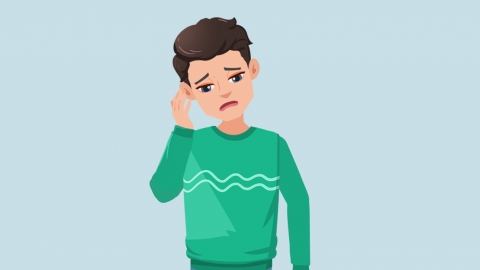
1. Local pressure or pulling: Long-term lateral sleeping that presses on the area behind the ear, or tightly tying hair that pulls the skin, can lead to soft tissue discomfort and pain. Immediately adjust sleeping posture to avoid prolonged pressure on one side, loosen tight hairbands, and apply a warm towel to the affected area for 10 minutes to improve local blood circulation and relieve discomfort.
2. Cold exposure: The skin behind the ear is thin and rich in blood vessels; direct exposure to cold wind can easily cause local muscle spasms, resulting in sudden stabbing pain. Wear earmuffs or a scarf to keep warm, stay away from drafts, drink plenty of warm water, and avoid continued cold stimulation that may worsen symptoms.
3. External otitis: Bacterial infection causing inflammation of the external auditory canal may radiate pain to the area behind the ear, often accompanied by ear itching and increased discharge. Patients should follow medical advice to use medications such as ofloxacin ear drops, cefradine capsules, or Pudilan anti-inflammatory tablets, and avoid probing the ear canal with fingers or cotton swabs.
4. Postauricular lymphadenitis: Infections originating from the throat or oral cavity may spread to the lymph nodes behind the ear, causing swollen and painful lymph nodes with obvious tenderness upon palpation. Patients should take antibiotics such as amoxicillin capsules, cefixime dispersible tablets, or roxithromycin capsules as prescribed, while also treating the primary infection site.
5. Infected sebaceous cyst: Blockage of sebaceous glands behind the ear may form a cyst, which becomes red, swollen, and painful when secondarily infected, possibly developing fluctuation in severe cases. Early-stage infections can be managed with medication to control inflammation; after stabilization, surgical excision of the sebaceous cyst—including removal of the cyst and surrounding diseased tissue—is recommended to prevent recurrence.
In daily life, maintain cleanliness of the skin behind the ear and dry it thoroughly after washing hair. Avoid frequent touching or squeezing this area. Eat a light diet and reduce intake of spicy or irritating foods. Maintain regular sleep patterns to enhance immunity and reduce the likelihood of discomfort.


