


What to use for ear pain
Nov 28, 2025
Source: Cainiu Health

Dr. Lu Cheng
Introduction
Ear pain may be caused by foreign bodies in the external auditory canal, barotrauma, external otitis, otitis media, or furuncles of the external auditory canal. Symptoms can be improved through removal of foreign bodies, pressure regulation, or medical treatment. If pain persists or worsens, or is accompanied by hearing loss or discharge of pus, prompt medical attention is required.
Foreign body in the external auditory canal: Small insects, dust, or cerumen blocking the ear canal and irritating the canal's mucous membrane.
Ear pain may be caused by foreign bodies in the ear canal, barotrauma, external otitis, middle ear infection (otitis media), or furuncles in the ear canal. Symptoms can be improved through removal of foreign objects, pressure regulation, or medication. If pain persists or worsens, or is accompanied by hearing loss or pus discharge, prompt medical attention is necessary.
1. Foreign body in the ear canal: Small insects, dust, or earwax blocking the external auditory canal can irritate the ear canal's mucous membrane and cause pain, which may intensify when turning the head or pressing on the tragus. Avoid attempting self-removal; instead, seek timely medical care where a doctor can safely remove the object using specialized tools.
2. Barotrauma: Rapid changes in air pressure during activities such as flying or diving can create an imbalance in pressure across the eardrum, leading to pain, a sensation of ear fullness, and temporary hearing loss. Chewing gum or swallowing can help equalize ear pressure and reduce discomfort caused by rapid altitude changes.
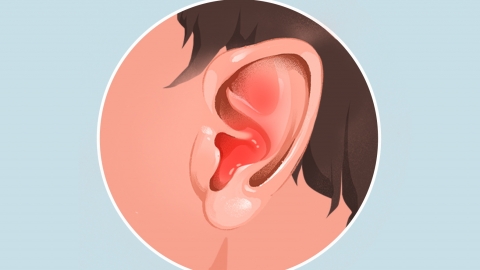
3. External otitis: Bacterial infection due to ear scratching injuries or water entering the ear can lead to inflammation, redness, and swelling of the ear canal lining, causing pain that becomes more noticeable when pulling on the earlobe. Under a doctor’s guidance, patients may use medications such as ofloxacin otic solution, cefaclor capsules, or ibuprofen sustained-release capsules to relieve symptoms.
4. Otitis media: Upper respiratory infections can spread inflammation to the middle ear, resulting in fluid accumulation or pus formation, causing ear pain along with fever, tinnitus, and hearing impairment. It is recommended to take medications such as amoxicillin-clavulanate potassium tablets, phenol-glycerin ear drops, or Pudilan anti-inflammatory oral liquid under medical supervision to alleviate symptoms.
5. Ear canal furuncle: A bacterial infection in the hair follicles of the ear canal leads to a painful, pus-filled nodule, causing localized redness and pain that worsens with pressure on the tragus or chewing. As directed by a physician, treatment may include erythromycin ointment, cefuroxime axetil tablets, or acetaminophen suspension to improve symptoms.
Maintain clean and dry ear canals, avoid frequent ear cleaning and exposure to contaminated water, eat a light diet avoiding spicy and irritating foods, drink plenty of water, get adequate rest, dress appropriately according to temperature changes, and prevent respiratory infections to reduce the risk of ear problems.


